Generic
Telemedicine: The Future of Healthcare Delivery
By Team Hearzap | Aug. 7, 2026
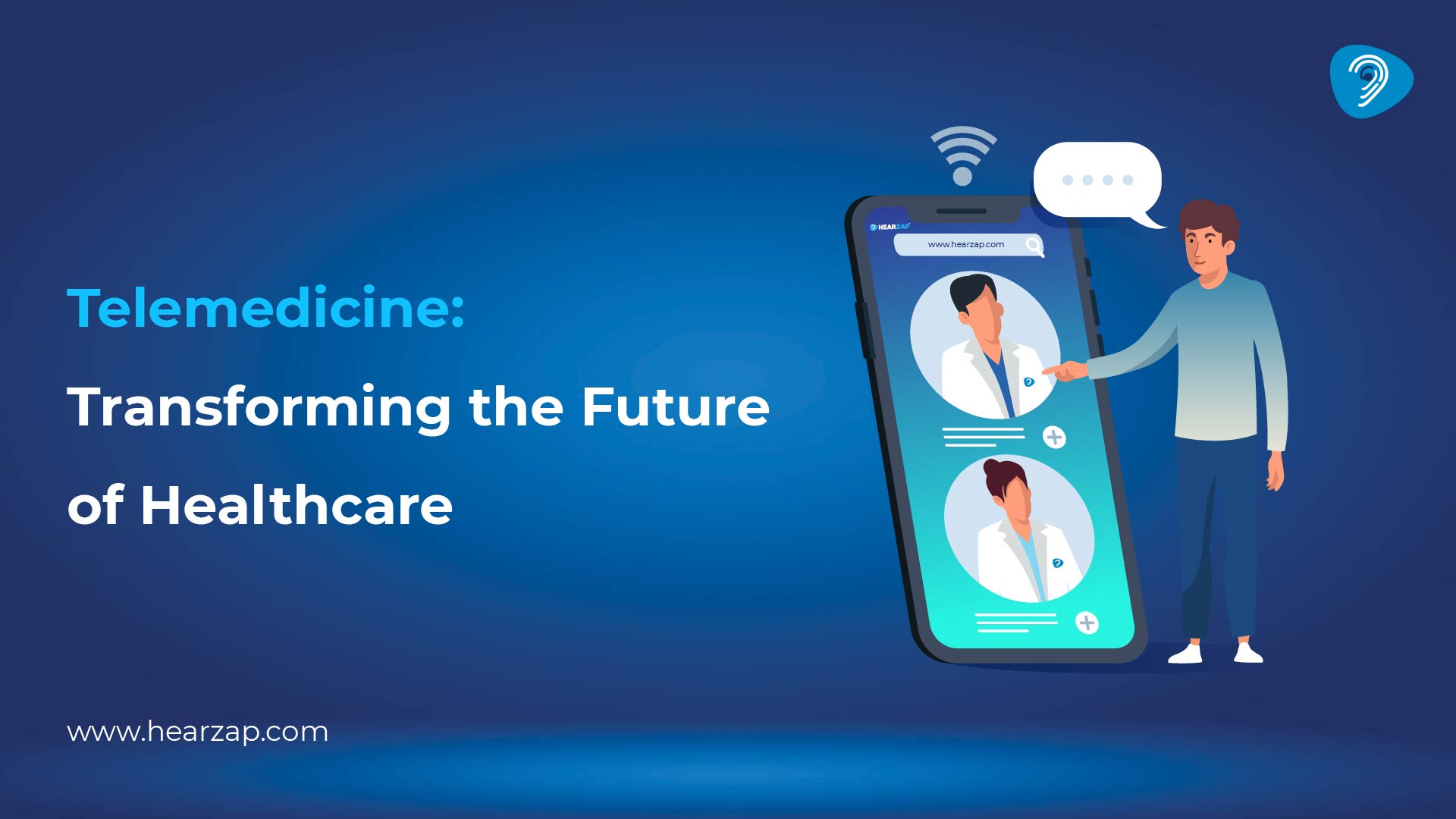
Healthcare no longer always begins in a waiting room. A phone or video call can connect a patient with a professional from home. Telemedicine is changing how people seek advice, attend follow-ups, and reach specialists.
It cannot replace every physical visit, but it can make care easier to begin. Hearzap supports this approach with online audiologist guidance for hearing aid users.
What Is Telemedicine?
It means providing clinical care when the patient and healthcare professional are in different locations. They may communicate through video calls, telephone calls, secure messages or an online healthcare platform. Medical reports, test results, images and selected health readings may also be shared digitally.
To define telemedicine simply, it is healthcare delivered from a distance with the help of technology. It forms part of digital healthcare, which also includes:
- Health applications
- Electronic medical records
- Wearable health devices
- Remote patient monitoring
- Online medical consultations
How Does Telemedicine Work?
How telemedicine works depends on the healthcare service and the patient’s condition. Most online appointments follow a simple process. However, identity verification, patient consent, medical records and clinical limitations remain important.
Booking a Virtual Consultation
The patient first chooses a healthcare service and selects a suitable appointment time. Some platforms may ask for basic information, symptoms, previous reports or current medicine details.
A person looking for hearing guidance may book an appointment with an audiologist and choose an available consultation option.
Before joining the appointment, it helps to have:
- A quiet and well-lit room
- A fully charged phone, laptop or tablet
- A stable internet connection
- Previous medical or hearing reports
- A list of current medicines
- Notes about symptoms or concerns
Online Consultation and Diagnosis
During the consultation, the healthcare professional asks about symptoms, medical history, current medicines and previous treatment. A video call may also help the professional observe visible symptoms or guide the patient through simple checks.
Medical reports and test results may be reviewed online. Based on the information available, the professional may:
- Provide medical advice
- Recommend treatment
- Suggest diagnostic tests
- Request an in-person examination
- Refer the patient to another specialist
Follow-Up Care and Digital Prescriptions
Following the consultation, the patient may be offered treatment options, an electronic prescription, and/or a referral or instructions for additional tests.
The health care provider may set up another virtual session or ask for an in-person appointment as needed. Virtual Follow-ups can be helpful for discussing:
- Treatment progress
- Medicine side effects
- Test results
- Changes in symptoms
- Long-term care plans
Benefits of Telemedicine
The benefits of telemedicine are especially useful when distance, mobility problems or busy schedules make regular clinic visits difficult. Its main value lies in providing timely access to professional guidance.
Convenient Access to Healthcare
Telemedicine decreases travelling, long queues, and organising transport. Patients can call a healthcare professional from their home or office.
It may also enable individuals to access specialists that are not in their local area. Parents and caregivers may prefer virtual appointments, and working adults can make appointments at times that work for them.
Better Access for Remote Areas
People living in rural or underserved locations may need to travel for several hours to meet a specialist. Virtual healthcare can shorten this first step.
A patient may speak with a specialist online, receive initial advice and understand whether a hospital or diagnostic centre visit is required. Telemedicine does not replace physical healthcare facilities, but it can guide patients towards suitable care.
Cost and Time Savings
Travel, accommodation, food and missed working hours can increase the overall cost of medical care. Telemedicine may reduce some of these expenses when a physical examination is not required.
It may also reduce:
- Transport expenses
- Waiting time
- Time away from work
- Time away from school
- Repeated travel for routine follow-ups
Continuity of Care
Long-term medical conditions often require regular discussions and monitoring. A physical examination may not be necessary at every follow-up.
Virtual appointments allow healthcare professionals to review symptoms, reports and treatment response. This continuity of care is one of the practical telemedicine benefits, especially for patients managing ongoing health conditions.
Telemedicine for Hearing Care
Telemedicine can support hearing health through teleaudiology. An audiologist may discuss hearing difficulty, tinnitus, communication concerns or hearing aid use through a virtual consultation.
Online guidance may also help determine whether a professional hearing test is required.
An online hearing test can provide an early hearing screening. However, it is not the same as a complete diagnostic hearing assessment. Background noise, earphones and device settings may affect online results.
Existing hearing aid users may receive guidance about:
- Correct hearing aid insertion
- Cleaning and daily care
- Charging and battery use
- Mobile application connectivity
- Basic troubleshooting
- Hearing aid maintenance
An in-person visit may still be required for repairs, ear examination, detailed programming or unexplained hearing loss.
Who Can Benefit from Telemedicine?
Virtual healthcare can support different groups of patients. Suitability depends on the person’s symptoms, available technology and whether a physical examination is required.
Adults with Hearing Concerns
Adults who notice unclear speech, ringing in the ears or difficulty hearing in groups may begin with an online audiologist consultation.
The audiologist can understand the concern and advise whether a complete hearing assessment is necessary. Early guidance may prevent people from ignoring symptoms or purchasing an unsuitable hearing device without testing.
Hearing Aid Users
Hearing aid users may require help with cleaning, charging, application connection, comfort or everyday listening problems.
A virtual consultation can address simple concerns and identify issues that require professional servicing. People exploring a hearing aid may also learn about different hearing aid types before visiting for testing and fitting.
Once a device has been recommended professionally, users may buy hearing aids online through Hearzap.
Cost and Time Savings
Remote hearing guidance can help users who live far from a hearing care centre or need a short follow-up consultation.
Caregivers may also join the appointment from another location. This reduces unnecessary travel and allows family members to understand the audiologist’s instructions.
However, a centre visit remains important when:
- The hearing aid requires repair
- The ear feels painful
- Hearing changes suddenly
- There is ear discharge
- A diagnostic test is required
Older Adults and Caregivers
Older adults may find regular travel difficult due to mobility or transport concerns. A caregiver can help set up the device, share observations and note the audiologist’s instructions.
The virtual experience becomes easier with:
- Large text on the screen
- Good lighting
- Clear audio
- Simple instructions
- An unhurried appointment
- Caregiver support when needed
The older adult should remain directly involved in the consultation wherever possible.
Limitations of Telemedicine
Telemedicine cannot replace every in-person healthcare service. Certain conditions require direct examination, urgent treatment or a medical procedure.
An in-person visit may be necessary for:
- Sudden hearing reduction
- Severe ear pain
- Ear discharge
- Ear injury
- Repeated dizziness
- Suspected ear infection
- Diagnostic hearing tests
- Ear impressions
- Hearing aid repairs
- Detailed hearing aid programming
Poor internet connection, poor audio quality, limited digital confidence and language barriers can also affect the consultation.
Is Telemedicine Safe and Secure?
A reliable telemedicine service should verify the patient’s identity, obtain consent and protect medical records. It should also use suitable communication systems for virtual healthcare.
Patients should join the consultation from a private location and confirm how medical reports or prescriptions will be shared.
Healthcare providers must follow clear privacy practices, maintain security controls and train staff to handle patient information responsibly. Patients should avoid sending medical records through unknown websites, links or unverified applications.
The Future of Telemedicine
Telemedicine is becoming an important part of the future of healthcare delivery. It connects online consultations, electronic health records, patient monitoring and follow-up care.
Health apps and telemedicine enable patients to:
- Share symptoms
- Receive medicine reminders
- Track health readings
- Access reports
- Contact healthcare teams
- Attend virtual follow-ups
Telemedicine may shape the future of the healthcare industry through blended care, where online services and physical appointments work together.
Artificial Intelligence in Virtual Care
AI could assist with patient appointments, prioritise emergency symptoms, provide a summary of patient records, and provide customised treatment suggestions.
It can also support healthcare practitioners in recognising trends in a patient's data. AI should be used to assist, not supplant, clinical judgment, however.
Safe AI use requires:
- Human supervision
- Reliable medical evidence
- Patient privacy
- Regular error checks
- Secure data handling
Readers interested in hearing technology can also learn about AI vs traditional hearing aid.
Remote Patient Monitoring
Connected health devices can send information such as blood pressure, heart rate, blood glucose levels, activity levels or treatment usage to healthcare teams.
Remote monitoring may help professionals notice health changes between appointments. However, the information must be accurate and reviewed by a qualified healthcare professional.
Digital Hearing Healthcare Innovations
Teleaudiology is expanding beyond basic counselling. It may support:
- Remote hearing screening
- Hearing aid guidance
- Selected device checks
- Online counselling
- Virtual follow-ups
- Hearing aid usage support
Connected hearing devices and secure data sharing may make follow-up care easier. Some services will still require clinic equipment, direct ear examination and local hearing care.
Why Choose Hearzap for Tele Consultations?
Hearzap connects users with experienced audiologists for virtual hearing consultations and practical guidance.
During a tele consultation, people may:
- Discuss hearing concerns
- Understand online screening results
- Receive hearing aid counselling
- Ask questions about device use
- Get basic troubleshooting support
- Plan an in-person assessment when needed
New users can learn why hearing testing and personalised fitting are important. Existing users may receive support for daily hearing aid use.
Hearzap also provides centre-based hearing care when an online consultation is not enough.
Frequently Asked Questions
What do you mean by telemedicine?
Telemedicine is clinical healthcare provided from a distance through telephone calls, video consultations, messaging or digital platforms. A healthcare professional can discuss symptoms, review reports, provide advice and determine whether a physical visit is required.
What is an example of telemedicine?
A video consultation with an audiologist is one example of telemedicine. The user may explain hearing concerns, share previous reports and receive guidance. Other examples include online doctor visits, virtual counselling and remote health monitoring.
Who is eligible for telemedicine?
Most people can use telemedicine when their health concern can be safely discussed without an immediate physical examination. Suitability depends on symptoms, internet access, patient consent and professional judgement. Emergencies and medical procedures require direct care.
What is the speciality of telemedicine?
The main speciality of telemedicine is its ability to connect patients with qualified healthcare professionals across distance. It supports initial advice, routine follow-ups, counselling, medical report reviews and long-term care.
What is the major advantage of telemedicine?
The major advantage of telemedicine is easier access to professional healthcare guidance. It may reduce travel, waiting time and time away from work or school. It can be especially useful for people living in remote areas or those with mobility concerns.

Contact us
We are here for all your hearing needs, from hearing tests to hearing aids. Fill out the form below, and we will give you a call soon.
Recent Blogs
By None | Sept. 21, 2026
By None | Sept. 16, 2026
By None | Sept. 9, 2026
By None | Sept. 7, 2026
By None | Sept. 5, 2026