HEARING CARE
Ear Popping: Why It Happens and How to Find Relief
By Team Hearzap | April 15, 2026
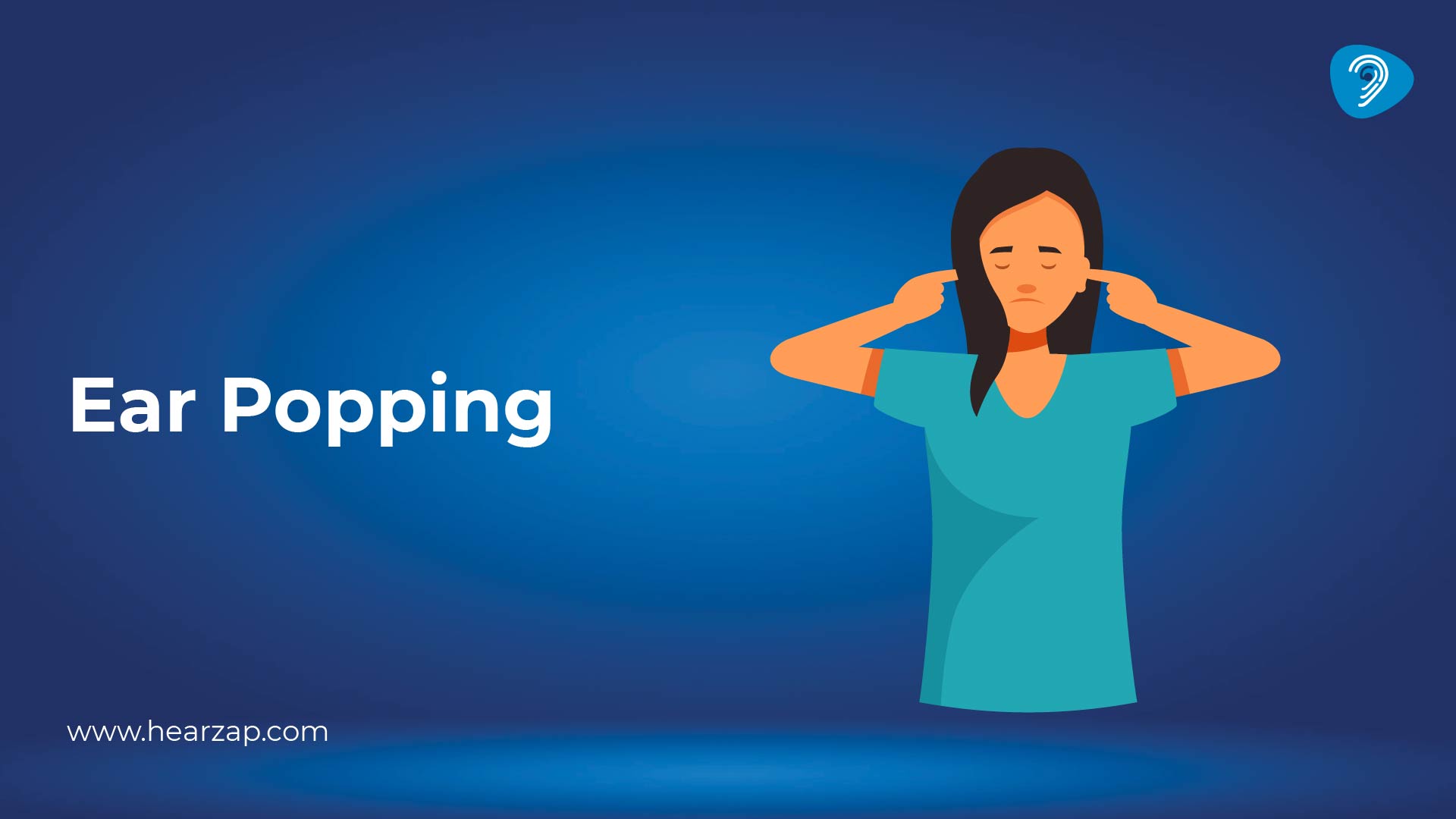
You're on a flight, somewhere between takeoff and cruising altitude, and suddenly your ears feel blocked, muffled, and uncomfortable. Then comes that satisfying click or pop, and just like that, everything sounds normal again. Or maybe you've been dealing with a crackling, bubble popping noise in ear that shows up randomly throughout the day, with no obvious trigger. Or perhaps there's a popping sound in ear every time you swallow or yawn, and you're starting to wonder if something is wrong.
Ear popping is one of those experiences that almost everyone has had, but very few people fully understand. Most of the time it is harmless. But sometimes it is your ear's way of signalling that something deserves a closer look.
What Is Actually Happening Inside Your Ear?
To understand ear popping, you need to know about a small but incredibly important structure called the Eustachian tube. This narrow channel connects the middle ear (the air-filled space behind your eardrum) to the back of the throat. Its primary job is to equalise the air pressure on both sides of the eardrum, keeping them balanced with the pressure of the outside world.
When the Eustachian tube opens, which it does briefly when you swallow, yawn, or chew, it allows a small puff of air to pass through. This equalises any pressure difference that has built up. That equalisation is what creates the familiar popping or clicking sensation.
Under normal circumstances, this happens automatically and you barely notice it. But when the tube is sluggish, congested, or blocked, pressure builds up on one side of the eardrum. When the tube finally opens and releases that pressure, the pop is more noticeable, sometimes quite loud, and occasionally accompanied by a brief moment of dizziness or a change in hearing clarity.
Why Does Ear Popping Happen?
There are several reasons why the ears might pop more frequently or intensely than usual.
Changes in altitude are the most universally recognised trigger. Whether you are flying, driving up a mountain, or taking a fast lift to the top of a tall building, changes in the surrounding air pressure happen faster than the Eustachian tube can naturally compensate. The eardrum is pushed inward or outward by the pressure difference, creating that uncomfortable blocked sensation, until the tube opens and equilibrium is restored.
Congestion from colds, allergies, or sinus infections is another very common cause. When the lining of the Eustachian tube is swollen and inflamed, it cannot open as freely or as often as it should. Pressure builds up in the middle ear more easily, and when it does equalise, the pop is more pronounced. This is why your ears often feel blocked and poppy when you have a cold, even if the cold itself is fairly mild.
Jaw movement and TMJ issues can also produce popping sounds in or near the ear. The temporomandibular joint, which connects the lower jaw to the skull, sits very close to the ear canal. Dysfunction in this joint can create clicking and popping sensations that are felt inside the ear but are actually originating from the jaw.
Fluid in the middle ear, a condition common in children but also seen in adults following ear infections or allergies, can create crackling and bubbling sensations as the fluid shifts with head movement. This is often what people describe as a bubble popping noise in ear, a gurgling or crackling that seems to come from deep inside the ear rather than the outer canal.
Eustachian tube dysfunction without any obvious underlying cause is also quite common. Some people simply have a tube that opens and closes irregularly, producing intermittent popping and crackling throughout the day.
How to Pop Your Ears Safely
When the ears feel blocked and uncomfortable, most people instinctively want to do something about it immediately. Knowing how to pop your ears safely is genuinely useful, particularly during flights or when dealing with congestion.
The Valsalva manoeuvre is the most widely known technique. You pinch your nostrils shut, close your mouth, and gently blow as if trying to breathe out through your nose. The gentle pressure forces air up through the Eustachian tube and into the middle ear, equalising the pressure. The key word is gently. Blowing too hard can strain the eardrum or, in rare cases, cause a small rupture. A soft, controlled puff is all that is needed.
The Toynbee manoeuvre is a gentler alternative that works well for many people. You pinch your nose shut and swallow at the same time. The combination of swallowing and the slight pressure change created by the pinched nose helps nudge the Eustachian tube open. This method is particularly good to use during the descent phase of a flight, when ear pressure tends to be most uncomfortable.
Yawning is one of the most natural and effective ways to open the Eustachian tube. If you can trigger a genuine yawn, or even just open your mouth wide in a yawning motion, the muscles involved pull the tube open and allow pressure to equalise naturally.
Chewing gum or swallowing frequently during altitude changes, especially during a flight's descent, keeps the Eustachian tube actively opening and closing, which prevents excessive pressure from building up in the first place.
For those wondering how to pop ears when congestion is the problem, a nasal decongestant spray used about 30 minutes before a flight can reduce swelling in the Eustachian tube lining, making it easier for the tube to function normally during pressure changes. This is especially helpful for people who regularly experience significant ear pain or blockage during air travel.
The Bubble Popping and Crackling Sounds: Should You Worry?
A popping sound in ear that occurs occasionally, particularly around swallowing, yawning, or changes in altitude, is almost always normal. But certain patterns are worth paying attention to.
Hearing irregular sounds of popping or crackling bubbling in your ears occasionally could be due to Middle ear effusion or Eustachian tube dysfunction. The popping sounds are related to head movements, and further, a mild muffling of hearing may exist.
Preceded by pain, severe fullness not resolving itself, substantial hearing loss, dizziness or ear discharge would warrant a visit to a physician. Usually, ear popping is benign, but when these symptoms are manifest, ear infections, perforated eardrum, or another disorder would need proper treatment.
Tips for Keeping Your Ears Comfortable
Staying well hydrated keeps mucus thin and the Eustachian tube lining functioning more smoothly. Managing allergies proactively, whether through antihistamines or avoiding known triggers, reduces the chronic low-grade swelling in the tube that makes pressure equalisation harder. Avoiding very forceful nose blowing when congested protects the eardrums and reduces the risk of forcing bacteria from the nasal passages into the middle ear.
For frequent flyers, specially designed filtered earplugs are available that slow the rate of pressure change reaching the eardrum during takeoff and landing, giving the Eustachian tube more time to keep up.
Many people who previously found flying very uncomfortable report significant improvement with these.
The Bottom Line
Ear popping is one of the body's most routine self-regulating processes, and in most cases, it is nothing more than your Eustachian tube doing its job. Understanding what drives it, knowing how to safely encourage it when your ears feel blocked, and recognising when something feels different from the usual helps you stay on top of your ear health without unnecessary anxiety.
Your ears work hard every single day. A little understanding of what they are doing goes a long way toward keeping them comfortable.
FAQs
How to pop ears after flight?
Swallow, yawn, chew gum, or gently blow with your nose closed to equalize pressure and relieve ear blockage.
Why do your ears pop on a plane?
Ears pop due to pressure changes affecting the eardrum as altitude changes during takeoff and landing.
How to make your ears pop?
Try swallowing, yawning, or chewing gum to help balance ear pressure naturally.
How to prevent ears from popping on plane?
Use earplugs, stay hydrated, and swallow or chew during takeoff and landing.
Related Blogs
Ear Bleeding: Causes, Treatment & What to do Immediately
TMJ Ear Pain: Why Your Jaw Might Be Behind That Earache
Sebaceous Cyst Behind Ear
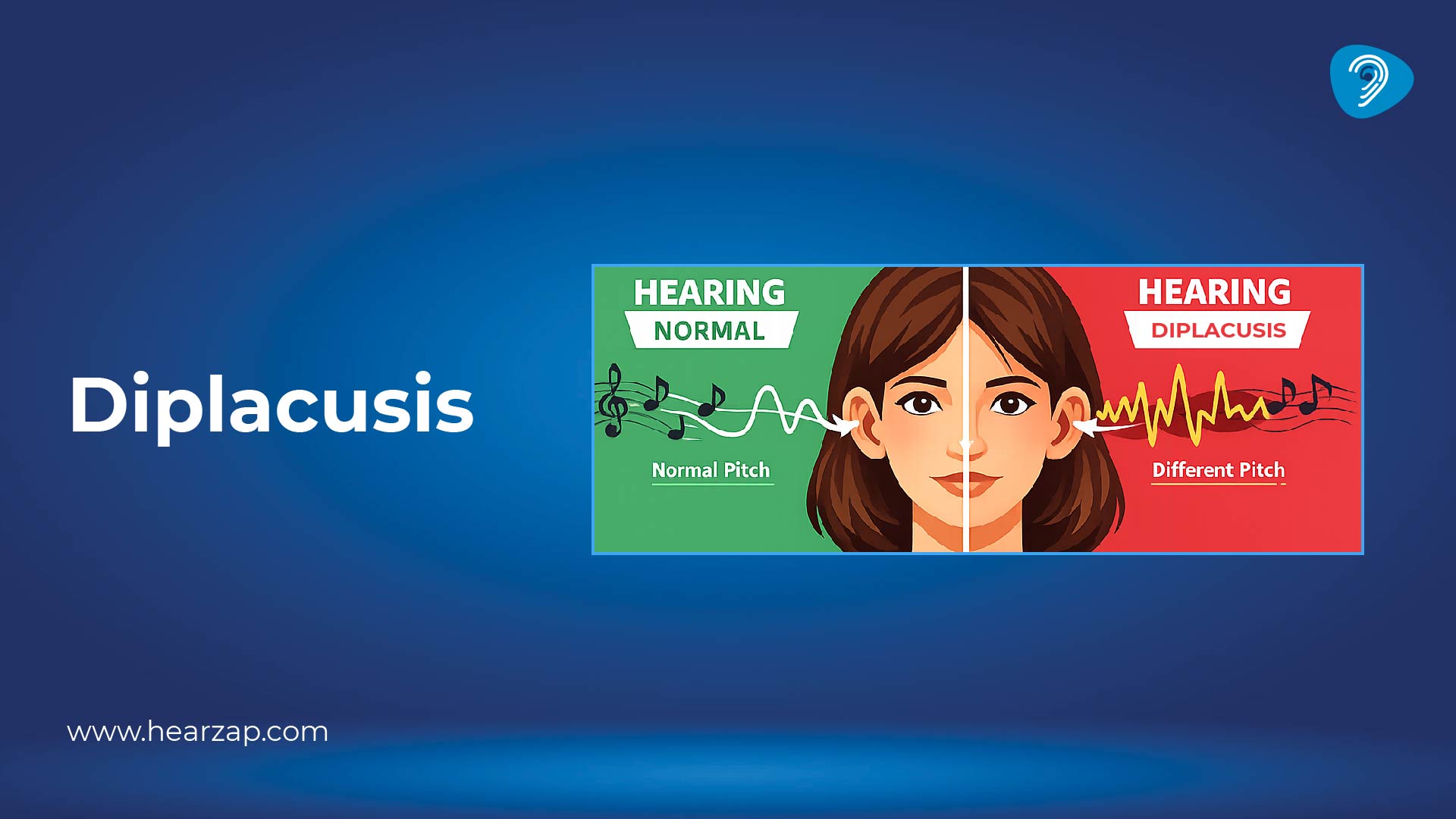
Diplacusis: When the Same Sound Reaches Both Ears Differently
Contact us
We are here for all your hearing needs, from hearing tests to hearing aids. Fill out the form below, and we will give you a call soon.
Recent Blogs
By None | Sept. 5, 2026
By None | Sept. 4, 2026
By None | Sept. 2, 2026
By None | Sept. 1, 2026
By None | Aug. 31, 2026