Generic
Auditory Discrimination: Meaning, Signs, Problems & Tests
By Team Hearzap | March 2, 2026
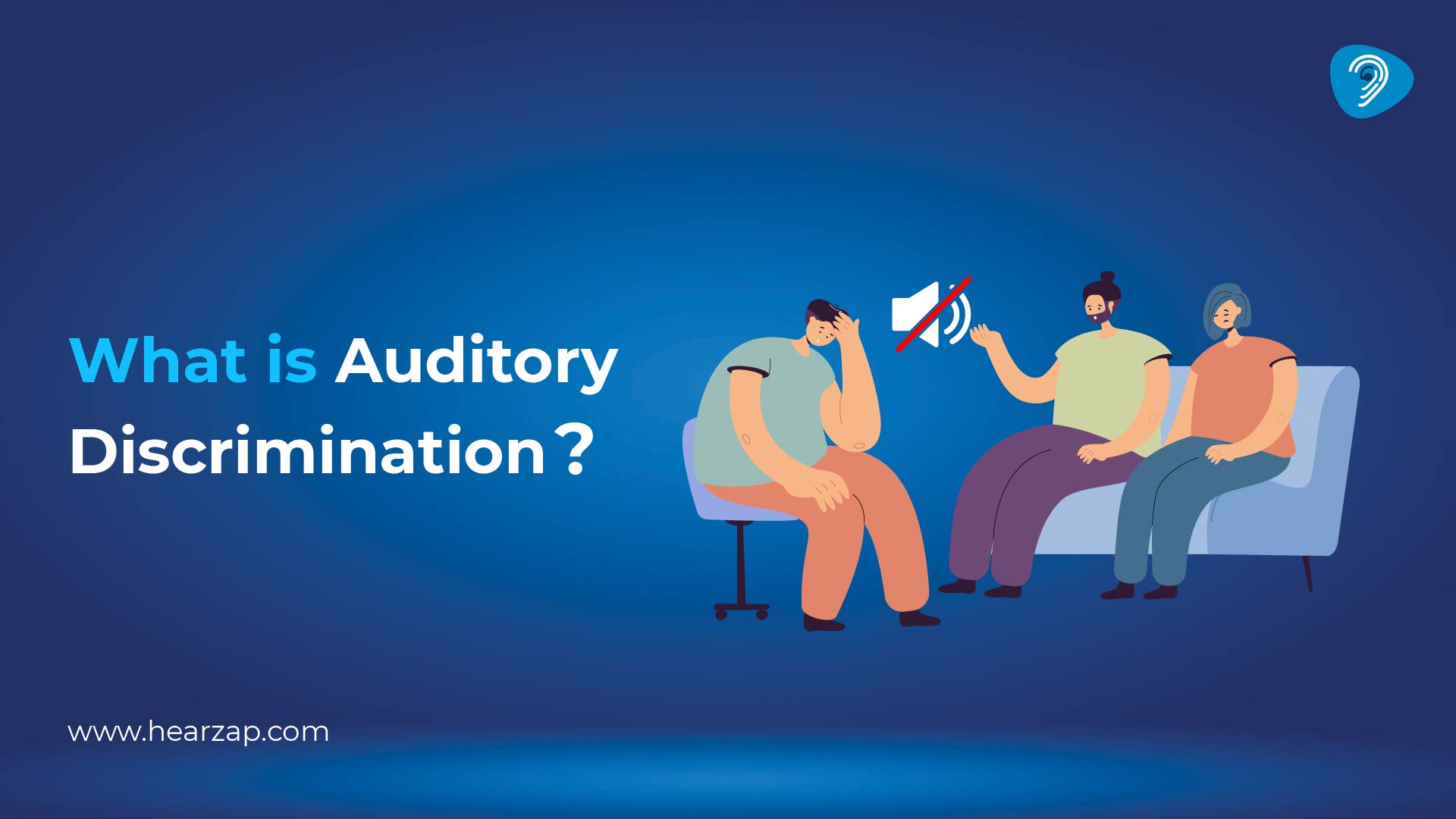
Auditory discrimination is the ability to hear small differences between similar sounds and identify the correct word. It supports clear speech, reading, spelling, and classroom learning.
When this skill is weak, conversations in noise feel harder, and instructions get missed. Early testing and training can improve everyday communication.
What Is Auditory Discrimination?
In simple terms, it is how your brain separates similar sounds, like bat and pat or sip and ship. Your ears collect sound, but your brain sorts it, compares it with known patterns, and links it to meaning. In children, this supports vocabulary, phonics, spelling, and following instructions. In adults, it affects phone calls, meetings, and understanding fast speech in busy places.
Causes of Auditory Discrimination
There is rarely one single cause. Temporary hearing changes from blocked ears, repeated ear infections, or fluid behind the eardrum can reduce clarity and make similar words blur together. Long-term hearing loss can have a similar effect, because certain frequencies become harder to pick up.
Some people also face auditory processing problems, where the brain struggles to organise sound even when basic hearing levels look fine. Attention issues, language delay, and constant background noise during early learning can add to the difficulty. In some cases, stress and fatigue make listening harder, so mistakes increase at the end of the day.
Signs of Auditory Discrimination Problems
Common signs may look like this:
- Confusing similar-sounding words and asking for repeats.
- Struggling to follow speech in noise, even in small groups.
- Spelling mistakes that match how words sound.
- Trouble following multi-step instructions without reminders.
- Slow reading progress or weak phonics skills.
- Mishearing names, numbers, or directions.
You may also notice your child guessing words while reading, avoiding group conversations, or seeming inattentive when instructions are spoken. If these patterns show up often at home, school, or work, it is worth getting a hearing test and checking hearing and listening skills together.
Auditory Discrimination Test
This test checks how accurately you can tell sounds apart, not just how loud you can hear. Audiologists may use speech sound pairs, word lists, or quick listening tasks that compare similar syllables. It is usually paired with a full hearing test to rule out hearing loss and to see whether clarity is the main issue.
Testing is worth considering if a child is struggling with reading and spelling or if an adult finds conversations tiring and keeps missing key words. It is also useful if you often mishear numbers on calls, need subtitles for TV, or your child struggles with dictation and classroom instructions despite normal vision. For a first screen at home, a rapid hearing test can be useful, but a clinic assessment gives clearer answers.
Ways To Treat Auditory Discrimination
Support depends on the cause. If reduced hearing is involved, improving sound access comes first, such as treating wax or infections and, when needed, the option to buy hearing aids for better clarity. If hearing is normal, targeted listening practice can help.
Speech and language therapy may use minimal pair work, sound games, and phonics support. In school, sit closer and reduce background noise. At home, practise each day briefly and track progress over a few weeks.
Conclusion
This listening skill shapes how you understand words and learn language. If you or your child regularly confuses similar sounds or struggles in noise, start with a hearing check and then add listening tests if advised. If needed, you can book hearing test appointment for a timely evaluation.
It also reduces frustration in classrooms and meetings, and can make reading, spelling, and following instructions easier. The sooner you identify the gap, the simpler it is to build stronger listening habits and improve day-to-day understanding.
FAQ
1. What is auditory discrimination?
It is the ability to hear and recognise differences between similar sounds and connect them to the correct words.
2. What are the signs of auditory discrimination problems?
Mixing up similar words, difficulty in noisy places, and spelling or reading issues linked to sound confusion are common signs.
3. How is an auditory discrimination test conducted?
A clinician uses sound comparisons, word lists, or listening tasks to see how accurately you distinguish similar speech sounds.
4. What is the difference between auditory discrimination problems and auditory processing problems?
Auditory discrimination is one skill, while auditory processing problems cover a wider set of listening skills, such as timing, patterns, and listening in noise.
5. Can auditory discrimination skills be improved?
Yes. With consistent practice, therapy when needed, and support for hearing loss where present, many people improve.
Also Read: Auditory Processing Disorder in Adults

Contact us
We are here for all your hearing needs, from hearing tests to hearing aids. Fill out the form below, and we will give you a call soon.
Recent Blogs
By None | Sept. 25, 2026
By None | Sept. 23, 2026
By None | Sept. 21, 2026
By None | Sept. 16, 2026
By None | Sept. 9, 2026