Generic
Common Reasons for Ear Pain in Adults: Causes, Symptoms & Treatment
By Sri Sai Koti Chennupati | Aug. 3, 2026
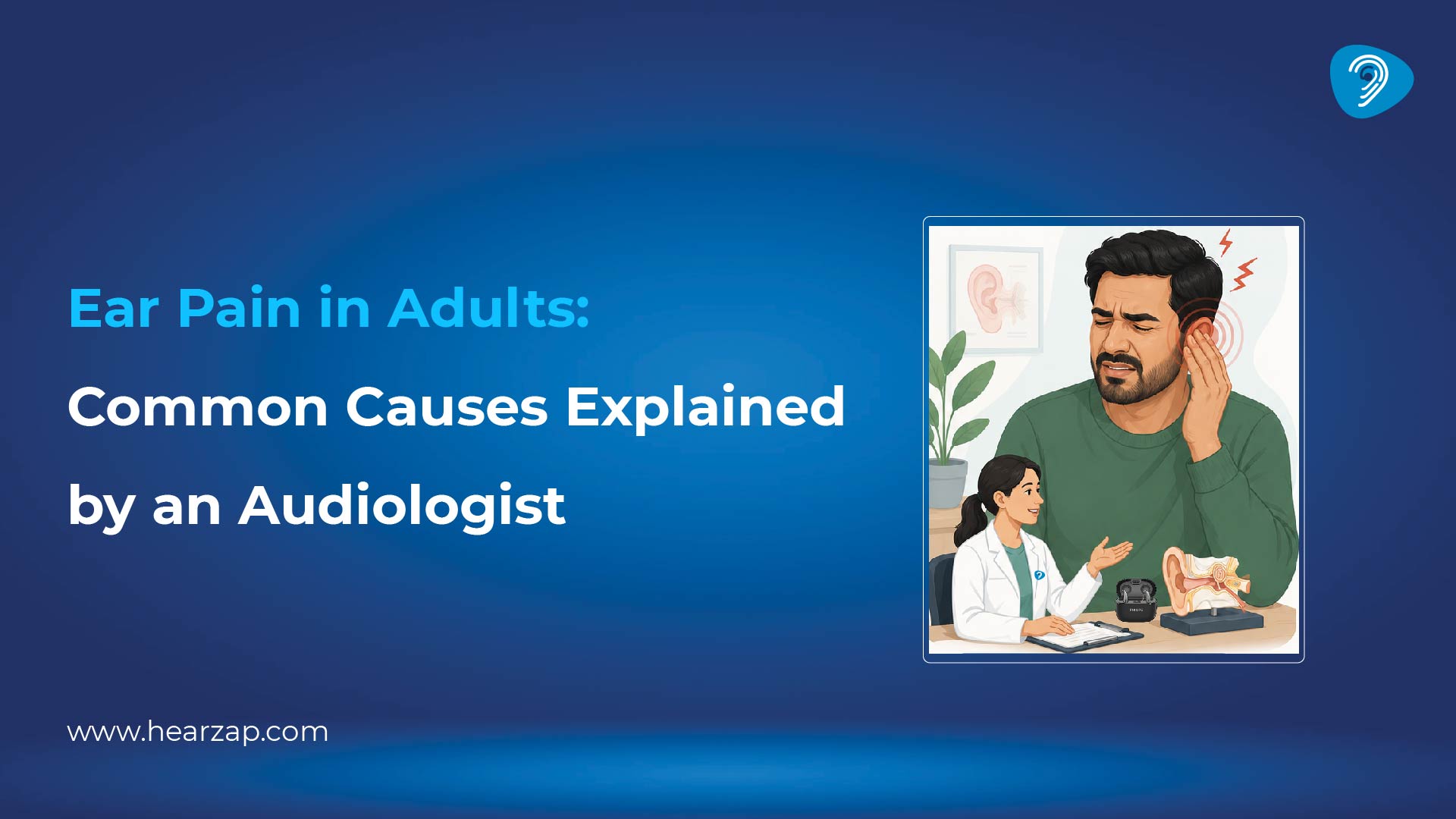
Ear pain can disturb sleep, work, travel and conversations. In adults, it may begin as pressure after a cold, sharp pain after swimming, or a dull ache that seems to come from the jaw or throat. Ear pain may come from the ear itself, but it can also be referred from nearby areas. Understanding the pattern helps adults seek care early.
This guide explains common causes, warning signs and safe care options for Indian adults clearly.
What Is Ear Pain?
Ear pain, also called otalgia, is discomfort felt inside, around or behind the ear. Primary ear pain starts within the ear, often due to infection, wax, injury or pressure changes. Referred ear pain starts elsewhere, such as the throat, teeth, jaw joint or sinuses, but is felt in the ear. This is why what is the reason for ear pain in adults cannot be answered from pain alone. Location, duration, discharge, hearing change, fever and recent illness all matter.
Common Reasons for Ear Pain in Adults
The most common ear pain causes in adults include infections, wax blockage, sinus pressure, jaw problems, dental issues and water trapped in the outer ear. Some improve with simple care, while others need assessment or hearing support. Adults should be careful when pain is severe, sudden, repeated or linked with hearing changes.
Ear Infections
An Ear Infection may affect the outer, middle or inner ear. Middle ear infections often follow a cold or throat infection, while outer ear infections are common after swimming or excess moisture. Pain may come with blocked hearing, fever, fluid, itching or pressure. Adults with diabetes, reduced immunity or repeated infections should not delay care. Inner ear problems may cause dizziness or balance issues.
Earwax Buildup
Earwax protects the ear canal, but impacted wax can create pressure, pain, ringing, itching, reduced hearing and a blocked feeling. Some people push wax deeper by using cotton buds, ear candles or sharp objects. Professional removal is safer because the ear canal and eardrum are delicate. Hearing aid users may ask what is ear wax gaurds, as these small filters help prevent wax from blocking the device's speaker.
Sinus Infection and Congestion
Sinus congestion can create pressure around the nose, forehead and ears. During a cold, allergy flare-up or sinus infection, the eustachian tube may not equalise pressure properly. This can explain ear pain with cold in adults, especially when the ear feels full or pops while swallowing. Treating nasal congestion may help with mild pressure, but facial pain, fever or worsening symptoms need attention.
Temporomandibular Joint (TMJ) Disorders
The temporomandibular joint sits close to the ear. When this jaw joint is strained, inflamed or overworked, pain can spread toward the ear. TMJ-related pain may worsen while chewing, yawning, talking or waking after teeth grinding. Some adults notice jaw clicking, headaches or facial tightness. A dental or jaw evaluation may be needed when the ear looks normal, but pain continues.
Throat, Tooth, or Dental Problems
Throat infections, tonsillitis, mouth ulcers, dental abscesses and impacted wisdom teeth can refer pain to the ear. This pain may feel deep. Warning signs include pain while swallowing, gum swelling, bad taste, fever or tooth sensitivity. Treating the source usually settles the ear discomfort. Ignoring dental infection can allow it to spread, so timely care is important.
Swimmer's Ear (Outer Ear Infection)
Swimmer's ear is an outer ear infection linked to trapped moisture, scratching or irritation in the ear canal. It may cause itching, tenderness when touching the outer ear, pain, swelling, discharge and reduced hearing. People who swim often or use earbuds for long hours may be more prone to irritation. Keep ears dry, avoid inserting objects, and use ear protection when water exposure repeatedly triggers pain.
Symptoms That May Accompany Earache
Earache rarely appears alone. Adults may notice ringing, reduced hearing, discharge, fever, dizziness, nausea, headache, jaw pain or a heavy feeling in the ear. A sudden, sharp ache after a flight may suggest pressure trouble, while pain with itching may point to the outer canal. Sudden ear pain in adults should be observed closely, especially if it follows injury, loud sound or a respiratory infection.
Ear Pain Treatment at Home
For mild pain without red flags, home care may bring relief. Adults often ask how to get rid of earache, but safe care matters more than quick fixes.
- Use a warm compress over the painful ear.
- Rest, drink water and avoid exposure to smoking.
- Take over-the-counter pain relief as directed.
- Keep the ear dry if discharge or outer ear irritation is present.
- Avoid cotton buds, oil drops or home removal tools unless advised.
Do not put anything deep into the ear. If symptoms last more than two or three days, get checked.
Can Ear Pain Affect Your Hearing?
Yes, ear pain can temporarily affect hearing when fluid, wax, swelling or pressure blocks sound movement. In some cases, untreated infection, injury or long-term wax impaction may contribute to lasting changes. Any pain linked with hearing loss deserves attention because early evaluation can prevent communication difficulties. Adults who use hearing devices should also check whether wax, moisture or device fit is making discomfort worse.
When Should You See a Doctor or Audiologist?
Adults should seek help when ear pain is severe, keeps returning, or comes with hearing changes, discharge, dizziness, fever or injury. Pain after air travel may settle, but pain with bleeding or sudden hearing change should not be ignored. An audiologist can assess hearing. Early support is better than waiting until speech, sleep or balance is affected.
Hearing Loss or Ringing in the Ears
Ringing, muffled hearing or difficulty following speech after ear pain may signal wax blockage, infection, fluid, noise damage or another ear condition. A Hearing test helps measure whether hearing has changed and whether the issue is temporary or needs ongoing support. Do not assume ringing will disappear on its own if it is new, one-sided, or linked with dizziness.
Ear Discharge or Bleeding
Fluid, pus or blood from the ear needs prompt attention. Discharge may point to infection, an injured ear canal or a possible eardrum problem. Bleeding after inserting an object, a fall, a slap injury, or a sudden pressure change should be assessed quickly. Keep the ear dry, avoid drops unless prescribed, and do not try to clean deep inside the canal.
Fever or Dizziness
Fever with ear pain may suggest infection. Dizziness, spinning sensation, vomiting or balance trouble may involve the inner ear or another urgent condition. These symptoms can affect driving, work and safety, so adults should not ignore them. Seek faster care if dizziness is severe, sudden or accompanied by headache, weakness, facial drooping or confusion.
How Ear Pain Is Diagnosed
Diagnosis begins with questions about when the pain started, recent cold, swimming, flight travel, dental symptoms, jaw pain, medicines, allergies and hearing changes. The ear is usually examined with an otoscope to look for wax, swelling, fluid, redness or eardrum changes. When hearing is affected, audiometry may be advised. For hearing assessment and guidance from trained audiologists at Hearzap, you can book an appointment and get started.
How to Prevent Ear Pain
Prevention depends on the cause. Keep ears dry after swimming or bathing, manage allergies, treat colds sensibly and avoid inserting objects into the ear. Use hearing protection around loud machinery, concerts, traffic or fireworks. Do not share earbuds without cleaning them, and take breaks from tight earphones. People prone to wax buildup should schedule safe removal rather than trying harsh home methods.
Tips to Prevent Ear Pain in Adults
Simple habits make a difference. Dry the outer ear gently with a towel. Treat sinus congestion early. Avoid sleeping with wet hair near the ear. Do not over-clean, because earwax has a protective role. Control acidity or throat irritation if it often triggers discomfort. Dental check-ups also matter, as tooth and jaw issues are common ear pain reasons in adults. For frequent flying, swallowing, yawning and staying hydrated may reduce pressure discomfort.
Why Choose Hearzap for Ear and Hearing Care?
Hearzap supports adults with hearing assessments, audiologist guidance, hearing aid trials, online options and personalised recommendations. Its Hearing Care services can help when ear pain has affected listening comfort or confidence. People can buy hearing aids online after suitable guidance, but hearing devices should match the ear condition, hearing profile and lifestyle. A proper evaluation helps avoid poor fit, blocked sound and unnecessary discomfort.
Frequently Asked Questions
How to cure ear pain in adults?
Treatment depends on the cause. Mild pain may improve with rest, warm compresses and safe pain relief. Infection, wax blockage, dental trouble or injury needs targeted care. Avoid putting objects or random drops into the ear.
What is the reason for ear pain in adults?
The reason may be infection, wax, sinus pressure, jaw strain, dental disease, throat infection, water exposure, injury or pressure change. A check-up helps identify the source correctly.
What is a red flag for ear pain?
Red flags include severe pain, sudden hearing change, bleeding, pus, high fever, dizziness, facial weakness, injury, diabetes, reduced immunity or symptoms lasting beyond a few days.
When is ear pain serious in adults?
It is serious when pain is intense, recurrent, linked with discharge, fever, dizziness, ringing, one-sided hearing change or trauma. Do not wait for symptoms to become worse.
When should I see an audiologist for ear pain?
See an audiologist when ear pain comes with muffled hearing, ringing, difficulty understanding speech, hearing device discomfort or repeated blocked-ear feeling. They can test hearing and guide next steps.

Sri Sai Koti Chennupati
Head of Learning and Development
With a Master's qualification in Audiology and Speech-Language Pathology and more than 18 years of clinical practice, I am devoted to providing the highest standard of diagnostic and rehabilitative care in hearing and communication health.


Contact us
We are here for all your hearing needs, from hearing tests to hearing aids. Fill out the form below, and we will give you a call soon.
Recent Blogs
By None | Sept. 16, 2026
By None | Sept. 9, 2026
By None | Sept. 7, 2026
By None | Sept. 5, 2026
By None | Sept. 4, 2026