Generic
Mastoidectomy: Procedure and Recovery
By Sharanya Krishnan - Audiologist | July 13, 2026
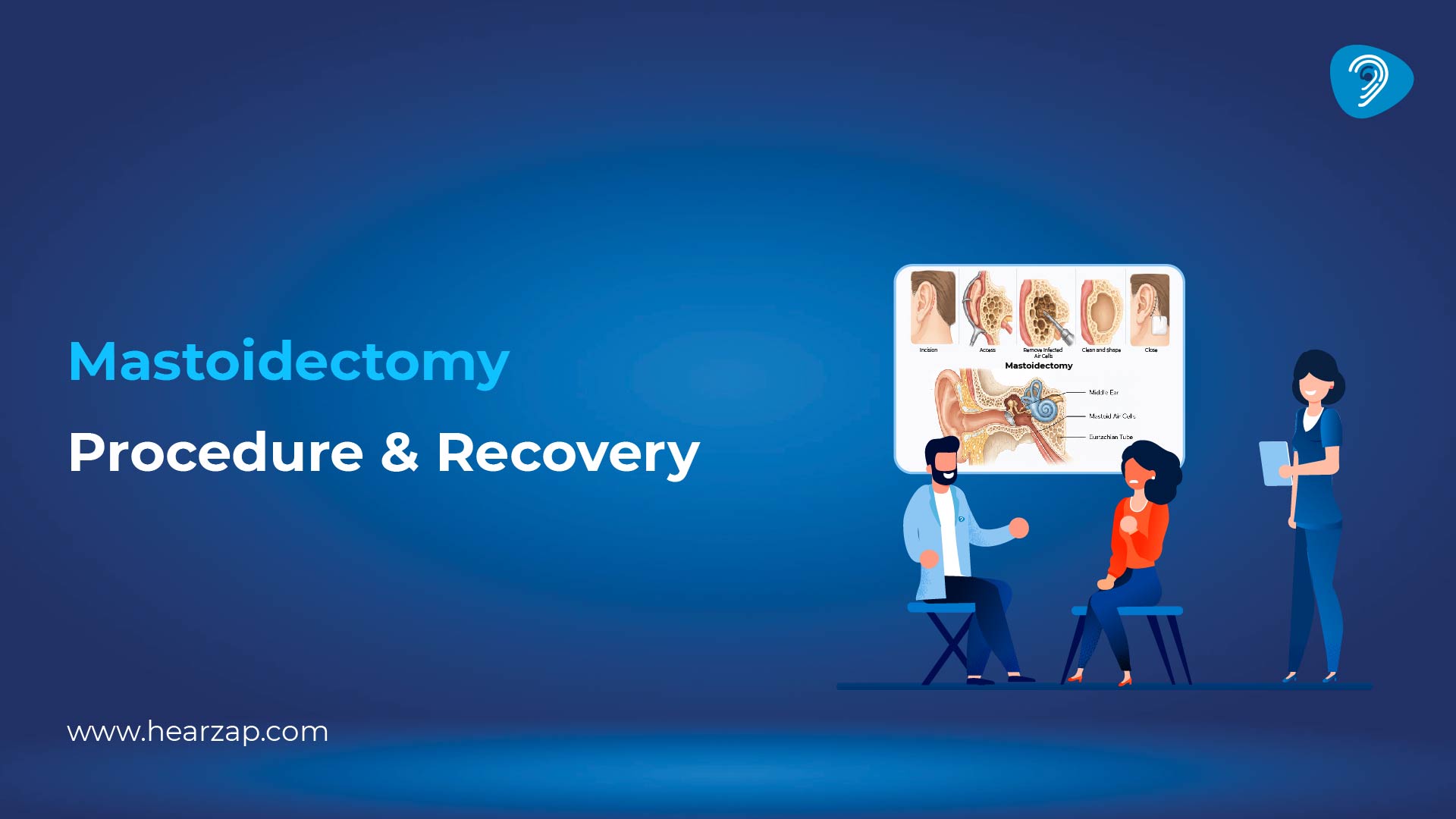
Behind the ear sits the mastoid bone, a structure filled with tiny, interconnected air cells that link directly to the middle ear. Most people never think about this bone at all, until an infection settles in and refuses to respond to treatment.
When antibiotics and ear drops no longer control the disease, or when existing damage has already progressed, surgical intervention often becomes necessary. Mastoidectomy is one of the more frequently performed surgical treatments for chronic ear diseases today. This article looks at why the procedure is carried out, the different surgical approaches used, and what individuals can generally expect during recovery.
Why the Surgery Is Recommended
During a mastoidectomy, a surgeon removes infected or damaged tissue from the mastoid bone, the honeycomb-shaped structure situated just behind the ear. The procedure serves two principal purposes: eliminating disease before it spreads to adjacent structures such as the brain or facial nerve, and, where feasible, preserving or restoring hearing.
Physicians usually recommend this surgery under the following circumstances:
- Chronic mastoiditis that fails to respond to medical management
- Cholesteatoma, an abnormal keratinised skin growth within the middle ear that can erode surrounding bone
- Recurrent ear infections that have already caused structural damage to the mastoid
- Complications resulting from untreated middle ear disease, including hearing loss or facial nerve weakness
The procedure is performed under general anesthesia. Surgeons use a microscope, and in certain cases an endoscope, to navigate the delicate anatomical structures of the ear with precision.
Surgical Approaches
The extent of disease, the condition of the ear canal, and the likelihood of preserving hearing all influence the surgical technique selected. Several mastoidectomy types exist, each suited to a particular clinical presentation.
Cortical Mastoidectomy:
This represents the more conservative approach. The surgeon removes the outer, or cortical, portion of the mastoid bone while leaving the ear canal wall intact. It is generally indicated when disease remains confined to the mastoid air cells without further spread. Because the ear canal is preserved, patients undergoing this technique typically experience a comparatively uncomplicated recovery.
Canal wall down Mastoidectomy:
When disease has spread extensively, as often happens with advanced cholesteatoma, a more aggressive surgical approach becomes necessary. The surgeon removes the wall that normally separates the ear canal from the mastoid cavity, merging the two into a single open space. This makes it far easier to inspect and clean the area during follow-up visits, which in turn lowers the chances of the disease coming back. The trade-off is that this technique permanently changes the shape of the ear canal, meaning patients will need periodic cleanings as part of ongoing care for years to come.
Modified radical mastoidectomy:
This approach borrows elements from the canal wall down technique but tries to hold onto certain middle ear structures, such as the eardrum or the small bones of hearing, wherever that's clinically feasible. Surgeons tend to choose this route when a significant amount of tissue needs to be removed, but there's still a realistic chance of preserving some hearing.
Radical mastoidectomy:
This represents the most extensive form of the procedure, reserved for advanced disease in which preservation of hearing structures is not feasible. The eardrum and middle ear structures are removed along with the mastoid air cells. In these cases, the clinical priority shifts entirely toward disease eradication and prevention of serious complications.
The final decision regarding surgical approach is typically confirmed intraoperatively, following a direct assessment of disease extent, in conjunction with preoperative imaging findings.
Combination With Tympanoplasty
This surgery is frequently performed in conjunction with a procedure to repair the eardrum, known as tympanoplasty.
When surgeons carry out both procedures at once, the combined operation is called mastoidectomy with tympanoplasty. This single surgery deals with the diseased mastoid bone while also fixing any perforation or damage to the eardrum, tackling both issues in one go. Surgeons tend to recommend this combined approach for chronic infection cases, where the disease has stuck around or kept coming back for long enough to affect both the eardrum and the mastoid. Repairing the eardrum during the same surgery restores a proper functional barrier within the middle ear, which tends to improve hearing outcomes and lowers the odds of infection returning later on.
A more conservative version, cortical mastoidectomy with tympanoplasty, is used when the ear canal wall can reasonably be preserved. This method treats the mastoid disease and repairs the eardrum without disturbing the structure of the ear canal, and patients who undergo it tend to have a smoother recovery than those requiring more extensive surgery.
The Surgical Process
The exact steps involved depend on which technique the surgeon uses, though most of the patients first receive general anesthesia so they stay still and comfortable throughout the procedure. The surgeon then makes an incision, either behind the ear or through the ear canal, depending on how much access the case calls for. A surgical drill is used to carefully clear away diseased bone, taking particular care to protect the facial nerve and the structures of the inner ear. Any infected tissue, cholesteatoma, or granulation tissue is removed next. If needed, the surgeon repairs the eardrum through tympanoplasty during the same operation, then closes the incision with sutures (also called stitches) and covers it with a surgical dressing. The surgery itself usually takes two to four hours, though more complicated cases can run longer. Most patients head home within a day or two, though some may need to stay a bit longer depending on how extensive the surgery was and how their recovery is going.
Postoperative Recovery
How long recovery takes depends mostly on the extent of the surgery, but most patients tend to go through a fairly similar pattern. In the first week, some pain, swelling, and general discomfort around the surgical site are to be expected, and these are usually kept in check with prescribed pain medication. A surgical dressing typically stays on for the first several days. Some patients notice mild dizziness or balance issues as the ear readjusts, so it's best to move carefully during this stage. Procedures follow a similar overall structure. Keeping water away from the ear entirely is important during this period.
By the second to fourth week, any non-dissolvable stitches are usually removed at a follow-up visit. Some drainage from the ear may still occur but should be tapering off rather than getting worse. Patients can usually return to light daily activities, although strenuous exercise and heavy lifting should still wait until the surgeon gives the go-ahead. Flying and swimming remain off-limits until the ear has healed fully.
Between one and three months after surgery, hearing can fluctuate somewhat as the internal swelling continues to settle. Regular follow-up visits let the surgeon track healing and catch any early signs of trouble. Individuals who had a canal wall down procedure will usually need to keep coming back for periodic cleaning of the mastoid cavity to prevent buildup of debris.
On the whole, complete recovery, including hearing returning to a stable level, can take anywhere from a few weeks to several months, depending on how extensive the original surgery was.
Risks and Complications
As with any surgical intervention, certain risks warrant consideration:
- Hearing changes, which are usually transient but may occasionally be permanent
- Dizziness or balance disturbances that persist beyond the expected recovery period
- Infection at the surgical site
- Facial nerve weakness, an uncommon complication given current surgical techniques
- Altered taste sensation, resulting from the proximity of taste-related nerves to the surgical field
Patients should discuss these risks thoroughly with their surgeon prior to the procedure, particularly when a more extensive approach such as radical mastoidectomy is under consideration.
Guidance for Postoperative Care
- Keep the ear completely dry until explicitly cleared by the surgeon
- Avoid forceful nose blowing, as this can affect pressure within the middle ear
- Attend all scheduled follow-up appointments, even in the absence of symptoms
- Report any sudden increase in pain, fever, or abnormal discharge to the treating physician promptly
- Avoid air travel or diving activities until medical clearance is obtained
Conclusion
For patients with chronic or severe ear infections unresponsive to conservative treatment, this surgery often represents the most effective therapeutic option. With multiple surgical approaches available, ranging from the relatively conservative cortical mastoidectomy to the more extensive radical procedure, surgeons are able to tailor treatment to each patient's specific clinical presentation. While recovery requires time and careful adherence to postoperative guidance, most patients experience substantial relief from infection-related symptoms, along with improved hearing outcomes in many cases.
Individuals experiencing recurrent ear infections, persistent drainage, or unexplained hearing changes are advised to consult an ENT specialist to determine whether this surgical intervention is clinically appropriate.
FAQ’s
Q) How long is recovery after mastoidectomy?
A) Most people recover within 2 to 6 weeks, depending on the extent of the surgery.
Q) How serious is mastoidectomy surgery?
A) Mastoidectomy is a safe, commonly performed procedure when done by an experienced ENT surgeon.
Q) Is mastoidectomy major or minor surgery?
A) Mastoidectomy is generally considered a major ear surgery performed under general anesthesia.
Q) What to avoid after mastoidectomy?
A) Avoid getting the ear wet, heavy lifting, strenuous activity, and inserting anything into the ear until your doctor approves.
Q) How to sleep after mastoidectomy?
A) Sleep with your head elevated and avoid lying on the operated ear to reduce swelling and discomfort.

Sharanya Krishnan - Audiologist
Senior Manager – Training, Customer Experience & Business Development
With over 20 years of experience in hearing and speech healthcare. Passionate about client-centred care, I believe in a culture of empathy, trust, personalized support & focus on ensuring that every individual enjoys a seamless and fulfilling hearing care


Contact us
We are here for all your hearing needs, from hearing tests to hearing aids. Fill out the form below, and we will give you a call soon.
Recent Blogs
By Team Hearzap | Aug. 27, 2026
By Team Hearzap | Aug. 26, 2026
By None | Aug. 25, 2026
By Team Hearzap | Aug. 24, 2026
By Team Hearzap | Aug. 21, 2026