HEARING CARE
Patulous Eustachian Tube
By Sri Sai Koti Chennupati | May 26, 2026
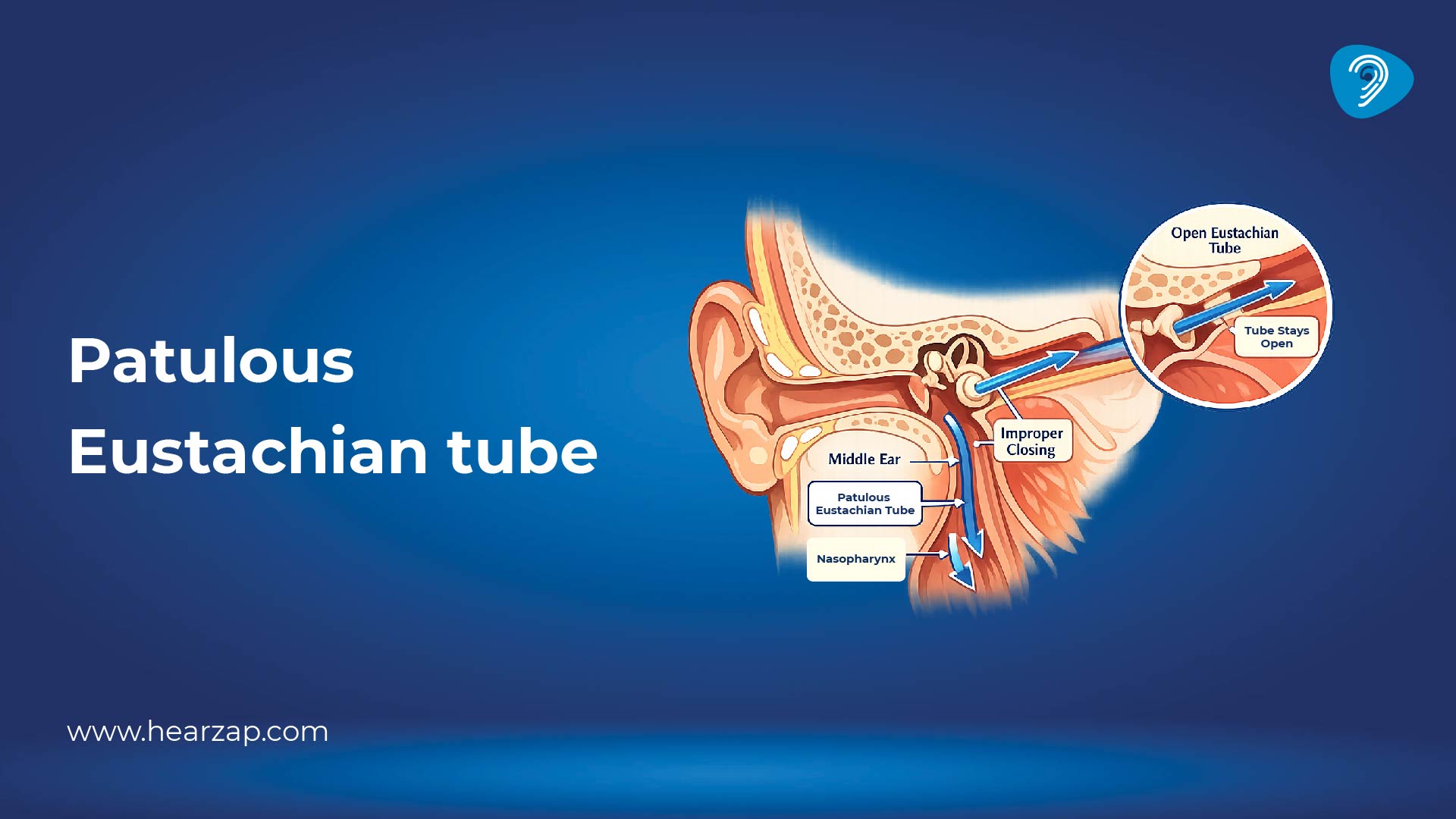
There's a very specific kind of strange that comes with hearing yourself breathe inside your own ear.
Not the gentle awareness you might notice in a quiet room. Something more intrusive than that. Every inhale and exhale was amplified, echoing inside your head like you were breathing into a microphone. Your own voice bouncing back at you so loudly that speaking feels surreal. The sensation of air moving across your eardrum with each breath, like a tiny bellows working just behind your eardrum.
If you've experienced this, you already know how disorienting it is. And if you've been told your ears look perfectly normal, you're probably also familiar with the frustration of having a very real problem that's surprisingly hard to get taken seriously.
What you may be dealing with is a patulous Eustachian tube, and while it's not dangerous, it can genuinely affect your quality of life in ways that are difficult to explain to anyone who hasn't felt it.
What Is the Eustachian Tube Supposed to Do?
To understand what goes wrong, it helps to know what the Eustachian tube is supposed to do when it's working correctly.
This narrow channel connects the middle ear to the back of the throat. In a healthy ear, it stays closed the vast majority of the time, opening briefly and only when needed, typically when you swallow, yawn, or chew. That brief opening allows air to pass through and equalise the pressure on both sides of the eardrum, which is what causes the familiar pop you feel on a plane or when going up a hill quickly.
The key word is briefly. The tube opens, does its job, and closes again. The whole process takes a fraction of a second.
In patulous Eustachian tube disorder, the tube loses its ability to stay closed. Instead of opening only when triggered, it stays open for extended periods, sometimes continuously. The middle ear, which should be a closed, pressure-stable environment, becomes directly connected to the airway. Every breath you take, every word you speak, every movement of air through your nose and throat now has a pathway straight into the middle ear.
The eardrum begins moving with each breath cycle. Internal sounds, especially your own voice and breathing, bypass the normal outer ear route and arrive directly and loudly at the eardrum. The experience is deeply unsettling.
Patulous Eustachian Tube Dysfunction Symptoms: What People Actually Notice
Patulous Eustachian tube dysfunction symptoms are distinctive enough that once you know what to look for, the pattern is fairly recognisable.
The most commonly reported experiences include:
- Autophony, hearing your own voice echoing loudly inside your head when you speak. Many patients describe it as talking inside a barrel or hearing themselves through a loudspeaker
- Breath sounds in the ear, audible internally with every inhale and exhale, sometimes rhythmic and predictable, sometimes variable
- A fluttering or movement sensation in the ear that follows the breathing rhythm
- Muffled hearing, caused by the abnormal movement of the eardrum interfering with normal sound conduction
- A sensation of fullness in the ear, though paradoxically this condition involves too much openness rather than blockage
- Symptoms that improve when lying down or when the head is placed between the knees. This is a particularly useful distinguishing feature, because increased blood flow to the head in these positions causes swelling of the tissue around the Eustachian tube opening, which temporarily closes it and brings relief
- Symptoms that worsen with exercise, since physical activity reduces the tissue fullness around the tube further, keeping it more open
- Worsening with nasal breathing and improvement when breathing through the mouth in some patients
The improvement when lying down is genuinely significant diagnostically. It's one of the clearest clues that separates patulous Eustachian tube from other causes of ear fullness and autophony.
What Causes It?
The Eustachian tube stays closed in a healthy ear largely because of the soft tissue padding that surrounds its opening in the nasopharynx. When that tissue loses volume or tone, the tube can no longer maintain its closed resting position.
Several situations reduce this tissue bulk:
- Significant weight loss, which is one of the most common triggers. Even moderate weight loss can reduce the fat pad surrounding the tube sufficiently to cause the problem
- Pregnancy, where hormonal changes alter tissue tone and fluid distribution around the tube
- Chronic dehydration, which reduces tissue volume throughout the body including around the tube
- Prolonged use of nasal decongestants, which shrink the mucosal lining of the nasopharynx over time
- Neurological conditions that affect the muscles controlling Eustachian tube function
- Radiation therapy to the head and neck region
- Chronic stress and fatigue, which appear to influence the autonomic regulation of the tube in some patients
- Hormonal fluctuations, particularly oestrogen changes, which is why some women notice symptoms that correlate with their menstrual cycle
In some cases, no clear cause is identified at all.
Patulous Eustachian Tube Diagnosis: How It's Confirmed
Patulous Eustachian tube diagnosis can be tricky because standard ear examinations often look completely normal. The eardrum isn't perforated. There's no infection. A basic hearing test may come back within normal limits. Without knowing what to look for specifically, clinicians can miss it entirely.
The most telling clinical sign, when it can be observed, is visible movement of the eardrum in synchrony with the patient's breathing. Using a microscope or otoscope, a clinician can sometimes watch the eardrum move inward with each inhale and outward with each exhale. Seeing this is essentially confirmatory.
Tympanometry, the test that measures eardrum movement and middle ear pressure, can show a characteristic pattern of rhythmic fluctuations that correspond to breathing, known as a patulous pattern. This is a supportive finding that strengthens the diagnosis.
Nasopharyngoscopy, where a thin flexible camera is passed through the nose to visualise the back of the throat, can sometimes directly show the Eustachian tube opening remaining open at rest, though this isn't always easy to capture.
A thorough clinical history remains the most important diagnostic tool. A clinician who listens carefully to the symptom pattern, particularly the postural variation and the breathing-related sounds, will often reach the correct diagnosis without needing extensive testing.
Patulous Eustachian Tube Dysfunction Treatment: What Can Be Done
Patulous Eustachian tube dysfunction treatment ranges from simple self-help measures to medical interventions, depending on how significantly the condition is affecting daily life.
For many patients, particularly those whose symptoms followed rapid weight loss, the first and most effective step is straightforward:
- Regaining lost weight if that was the precipitating cause often resolves symptoms significantly or completely as the tissue volume around the tube is restored
- Increasing fluid intake to improve tissue hydration and reduce tube patency
- Avoiding nasal decongestants and allowing the nasopharyngeal mucosa to recover its normal thickness
- Nasal saline drops or sprays, used in a head-down position, can provide temporary symptom relief by increasing mucosal congestion around the tube opening. Some patients find potassium iodide nasal drops helpful for a similar reason
- Avoiding triggers such as prolonged exercise in dry environments, excessive caffeine, and anything that promotes dehydration
When conservative measures aren't sufficient, medical and procedural options exist:
- Eustachian tube bulking procedures, where a small amount of material is injected around the tube opening to increase the surrounding tissue volume and help the tube close properly. This can be done with various agents and provides good relief in carefully selected patients
- Myringotomy with ventilation tube insertion is sometimes used as a temporary measure. The tube reduces the pressure differential across the eardrum and can diminish the autophony, though it doesn't address the underlying Eustachian tube dysfunction
- Surgical options including closure of the tube or cartilage insertion procedures are available for severe, refractory cases and are performed by specialist surgeons with experience in this specific area
Results vary between patients, and finding the right approach often requires some trial and error. Working with a specialist who is familiar with this condition specifically, rather than a general ENT, tends to produce better outcomes.
The Bottom Line
A patulous Eustachian tube is one of those conditions that sits frustratingly at the edge of what gets taken seriously in clinical medicine. The ears look fine. The tests are often normal. And the symptoms, particularly hearing yourself breathe and your voice echoing inside your own head, are difficult to describe in a way that communicates how genuinely disruptive they are.
But the condition is real, it has identifiable causes, and it has treatments that work. If what's described here matches your experience, particularly if your symptoms ease when you lie down or put your head between your knees, that postural clue is worth mentioning specifically to your doctor. It's the kind of detail that points a knowledgeable clinician straight toward the right diagnosis.
FAQs
Does patulous Eustachian tube cause hearing loss?
Patulous Eustachian tube usually does not cause permanent hearing loss but can affect sound perception temporarily.
Can patulous Eustachian tube go away on its own?
Yes, mild cases of patulous Eustachian tube may improve on their own over time.
How do I get rid of a patulous Eustachian tube?
Treatment may include hydration, nasal therapy, lifestyle changes, or medical procedures in severe cases.
Is patulous Eustachian tube serious?
It is usually not serious but can be uncomfortable and affect daily quality of life.
What does a patulous Eustachian tube sound like?
It can cause echoing of your own voice, breathing sounds, or a hollow sensation in the ear.

Sri Sai Koti Chennupati
Head of Learning and Development
With a Master's qualification in Audiology and Speech-Language Pathology and more than 18 years of clinical practice, I am devoted to providing the highest standard of diagnostic and rehabilitative care in hearing and communication health.
Related Blogs
Middle Ear Implants: How They Work And Who Can Benefit
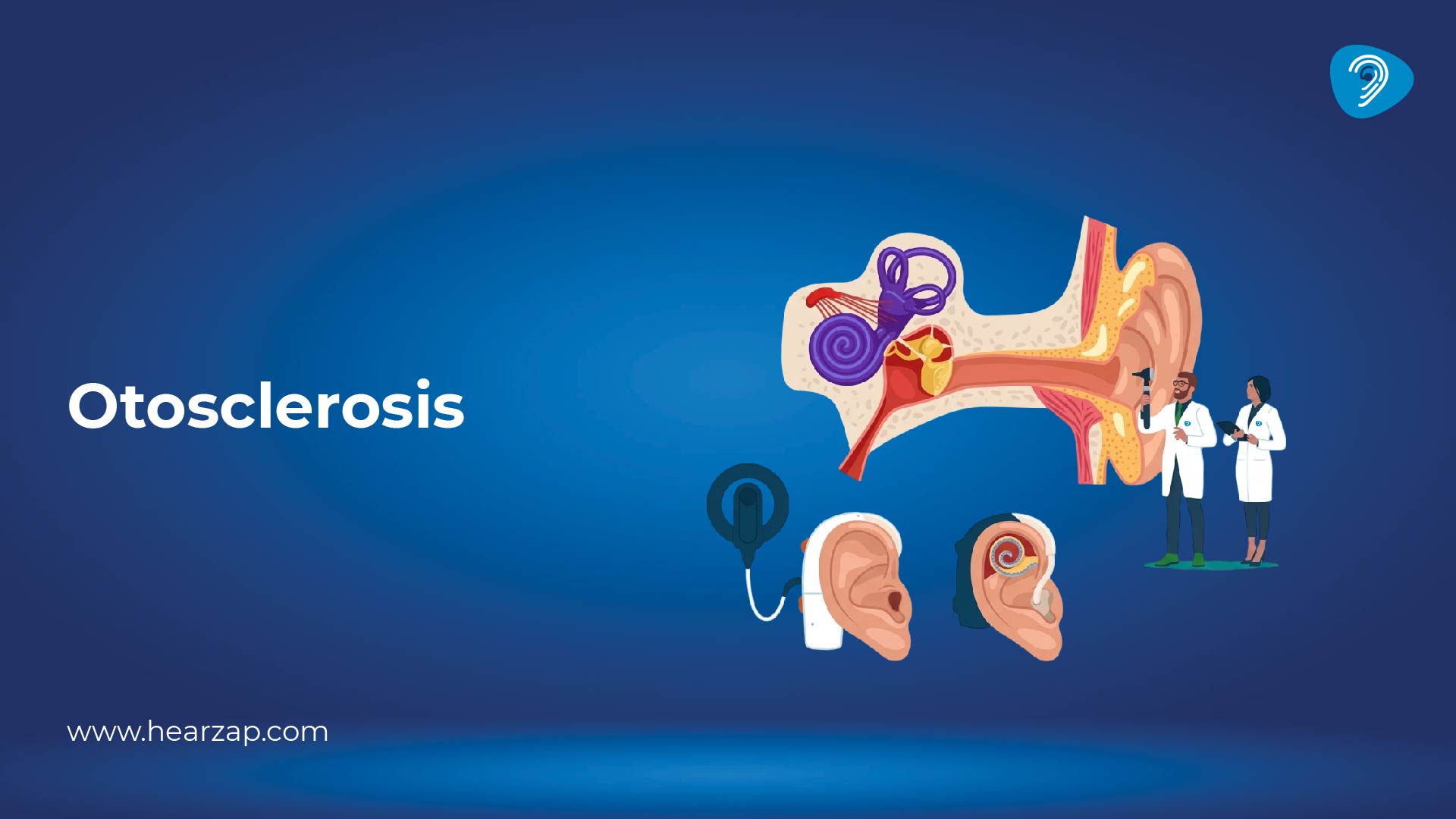
Otosclerosis: When Your Ear's Own Bone Works Against You
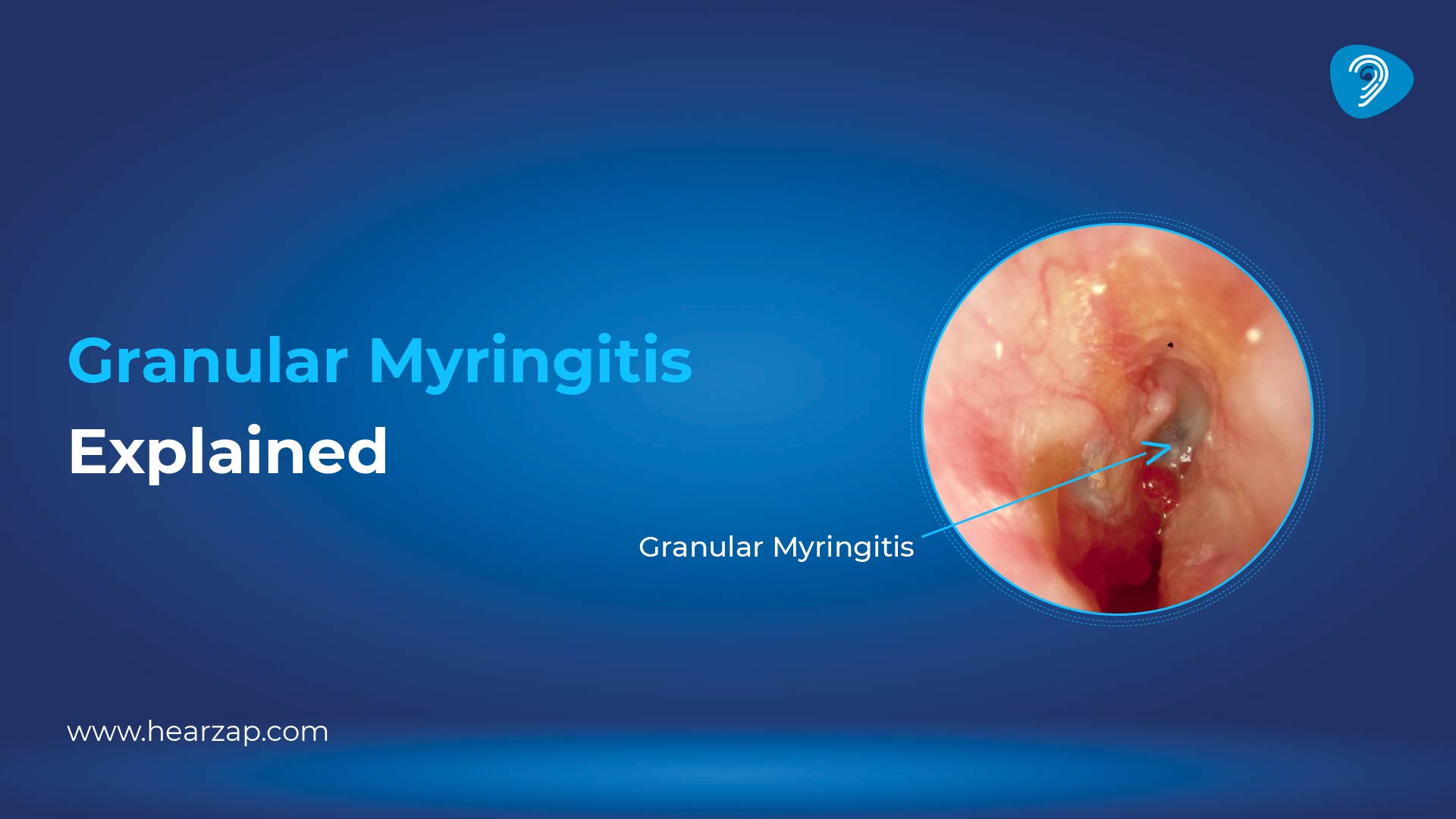
Granular Myringitis Explained: Symptoms, Causes & Treatment by Hearzap
Contact us
We are here for all your hearing needs, from hearing tests to hearing aids. Fill out the form below, and we will give you a call soon.
Recent Blogs
By None | Aug. 25, 2026
By Team Hearzap | Aug. 24, 2026
By Team Hearzap | Aug. 21, 2026
By None | Aug. 19, 2026
By None | Aug. 14, 2026