Generic
White Noise Therapy for Tinnitus: Does It Really Work?
By Dattatreya M | July 16, 2026
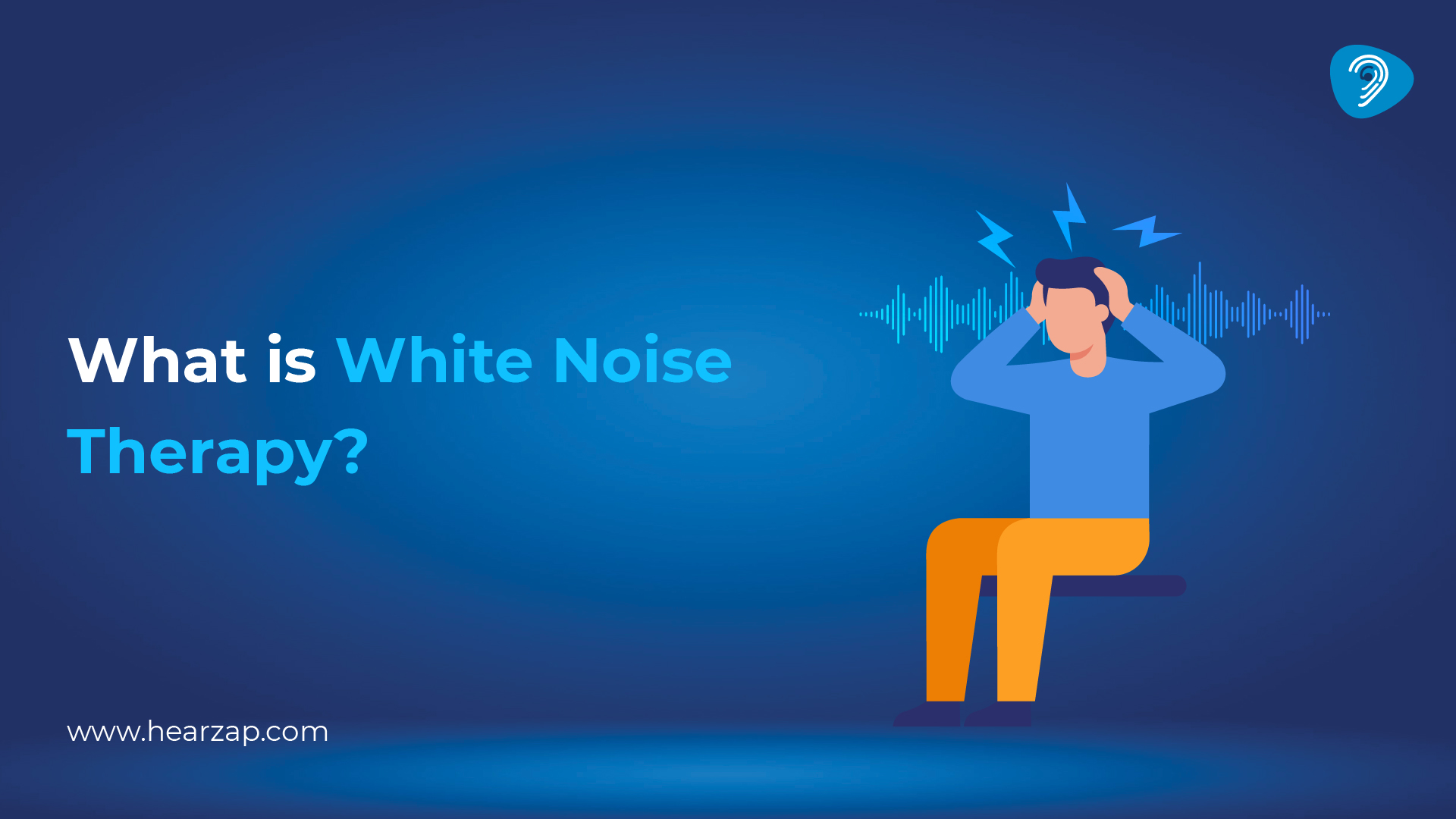
Tinnitus can feel more noticeable in quiet places or when you are trying to focus. It can sound like ringing, buzzing, hissing, whistling, or even a soft rushing sound in the ear. White noise therapy helps by bringing in this gentle background sound, so the tinnitus may feel less discomfort.
It can still support better sleep, concentration and everyday comfort. Hearzap provides tinnitus care as well as hearing assessments, plus guidance for the right hearing support.
What is Tinnitus?
Tinnitus is a sound which cannot be attributed to a source in the environment. It is typically heard in silent environments, when working and while attempting to fall asleep. Tinnitus may be associated with earwax, noise exposure, stress, ageing, medications or hearing alterations. In some instances, tinnitus is associated with hearing loss.
What is White Noise Sound for Tinnitus?
White noise sound for tinnitus means using a soft, steady sound to reduce how much ringing, buzzing, or hissing is noticed. It does not erase tinnitus. It fills the silence around you, so the internal sound does not stand out as much.
Understanding White Noise
White noise is a mixed sound made of many sound frequencies. People often compare it with a fan, rainfall, air flow, soft static, or an air cooler running in another room.
When the room is fully quiet, tinnitus has nothing to compete with. The brain notices it more. When there is a soft sound in the background, the ringing may feel less sharp.
How White Noise Masks Tinnitus Sounds
Masking means blending one sound with another. In a silent room, even a clock tick can feel loud. Add a soft fan sound, and the tick may not trouble you as much.
The volume should stay gentle. It only needs to sit near the tinnitus sound, not overpower it. If it starts disturbing sleep or focus, it is too loud or not the right sound.
Does White Noise Therapy Really Work for Tinnitus?
White noise therapy may help people whose tinnitus feels worse in silence. It can reduce awareness of the sound. Still, results differ. One person may like the sound of rain. Another may prefer a fan sound.
Benefits of White Noise Therapy
The main benefit is that it reduces constant attention to tinnitus. When the brain has another steady sound to hear, ringing or buzzing may feel less demanding.
Possible benefits include:
- Easier sleep in quiet rooms
- Better focus during calm work
- Less irritation from constant ringing
- More comfort during rest
- Support, along with other treatments for tinnitus
What Research Says
People with tinnitus use sound therapy frequently because they may be less stressed, and their brains might adapt to it. Habituation is when the brain has learned to stop responding strongly to the sound of the tinnitus. They may hear the sound but not feel as disturbed by it.
Limitations of White Noise Therapy
White noise therapy has limits. It does not treat the reason behind tinnitus. If the sound is linked with wax, infection, sudden hearing change, or another ear concern, that issue needs proper care.
It may not suit everyone. Some dislike static sound and feel better with rain, waves, music, or customised sound therapy. The sound should never be loud. If tinnitus is sudden, on one side, or comes with pain, dizziness, discharge, or sudden hearing difficulty, medical advice should not be delayed.
Different Types of Sound Therapy for Tinnitus
Sound therapy does not mean only white noise. Many people do better when they try different gentle sounds and choose what feels natural.
Common sound therapy options include:
- White noise for steady masking
- Rain, waves, flowing water, or soft wind
- Gentle instrumental music
- Sound apps with timer settings
- Tabletop sound machines for the bedroom
- Hearing aids with tinnitus masking features, when hearing difficulty is present
How to Get Rid of White Noise in the Ear?
When people say they hear white noise in the ear, they usually mean a constant rushing, static, or hissing sound. This may be tinnitus. The first step is not to put oils, drops, or try tinnitus remedies without advice. It is safer to understand the cause first.
Identifying the Underlying Cause
A constant sound in the ear can happen for different reasons. Earwax, loud sound exposure, stress, sinus issues, ear infection, jaw problems, or hearing changes may play a role.
A hearing care professional will ask when the sound started, whether it is in one ear or both, whether it changes during the day, and whether sleep or focus is affected.
Hearing Evaluation
A hearing test helps check whether tinnitus is linked with hearing difficulty. The test may look at soft sounds, speech, and different pitches. It may also include questions about routine, noise exposure, ear history, and daily discomfort.
The result helps the audiologist decide whether hearing support, sound therapy, counselling, or medical referral may be needed. People who are unsure where to start can book an appointment before trying random solutions at home.
Tinnitus Management Options
Tinnitus management depends on the person. Some people need simple sound support at night. Some need hearing aids. Some need counselling because the sound is affecting sleep, mood, or work. A few may need medical care if another ear concern is present.
Other Tinnitus Treatment Options
White noise is only one option. If tinnitus keeps disturbing sleep, conversations, study, work, or emotional comfort, other forms of care may be needed.
Hearing Aids
Hearing aids may help. They bring in more outside sound, so the brain does not focus only on the internal ringing. Some hearing aids also include masking sounds or tinnitus settings.
People planning to buy hearing aids online should check whether tinnitus features are available. Fitting guidance still matters because sound settings should match the hearing report and feel comfortable.
Tinnitus Retraining Therapy (TRT)
Tinnitus retraining therapy combines sound therapy and counselling. The idea is to help the brain treat tinnitus as a less important sound over time. It is not an overnight fix and needs patience.
Cognitive Behavioural Therapy (CBT)
CBT helps people handle the worry, fear, and frustration that tinnitus can bring. It does not remove the sound from the ear. It helps change how a person responds to the sound, especially when sleep or mood is affected.
Lifestyle Changes
Daily habits can make tinnitus feel a bit better or make it worse, depending on the person. If sleep is rough, stress piles up, earphones are used too loudly, or there is repeated noise exposure, the discomfort can be disturbing for some people.
What can help often looks like this:
- Protecting your ears from loud sounds
- Keeping your sleep timing steadier
- Listening with earphones at a safe volume
- Taking small pauses from noisy places
- Trying exercises or relaxation routines
- Staying active, even lightly
- Paying attention to personal triggers
Hearzap's Tinnitus and Hearing Care Services
Hearzap helps people understand tinnitus with proper hearing checks, tinnitus assessment, and audiologist consultation. The expert first asks about the sound, when it started, how often it occurs, and whether it affects sleep, focus, work, or daily comfort.
Based on the findings, users may receive guidance on sound therapy, tinnitus masking options, safe listening habits, suitable hearing aid features, and how to visit at nearest Hearzap store for further support. If hearing difficulty is also present, the specialist can suggest suitable hearing aids and explain the fitting process in simple terms.
FAQs
1. What is white noise sound for tinnitus?
It is a soft background sound used to make ringing, buzzing, or hissing less noticeable. Many people use it in quiet rooms or while sleeping.
2. Does white noise therapy cure tinnitus?
No, white noise therapy does not cure tinnitus. It only helps manage the sound by making it feel less sharp or less disturbing.
3. How does white noise help with tinnitus?
White noise fills the silence with a gentle sound. This reduces the contrast between tinnitus and the quiet room, so the brain may notice tinnitus less.
4. How can I get rid of white noise in my ear?
A constant white noise sound in the ear should be checked by a hearing specialist. The right care depends on the cause, duration, and symptoms.
5. Is white noise safe to use while sleeping?
Yes, it can be used during sleep if the volume is soft and comfortable. It should not disturb sleep or strain the ears.
6. Should I see a hearing specialist for tinnitus?
Yes, especially if tinnitus is frequent or regular, sudden, one-sided only, or affecting daily routine.

Dattatreya M
Audiology Innovation Manager
Helping You Hear Life Again. At Hearzap, we believe hearing is the key to staying connected with family, friends, and the world around us. With over 48 years of trusted care & my 15 years in audiology, I’ve seen how improved hearing brings back confidence
Contact us
We are here for all your hearing needs, from hearing tests to hearing aids. Fill out the form below, and we will give you a call soon.
Recent Blogs
By None | July 17, 2026
By None | July 15, 2026
By None | July 13, 2026
By None | July 9, 2026
By None | July 8, 2026