Generic
Ossiculoplasty: A Complete Guide to Middle Ear Reconstruction
By Dattatreya M | July 1, 2026
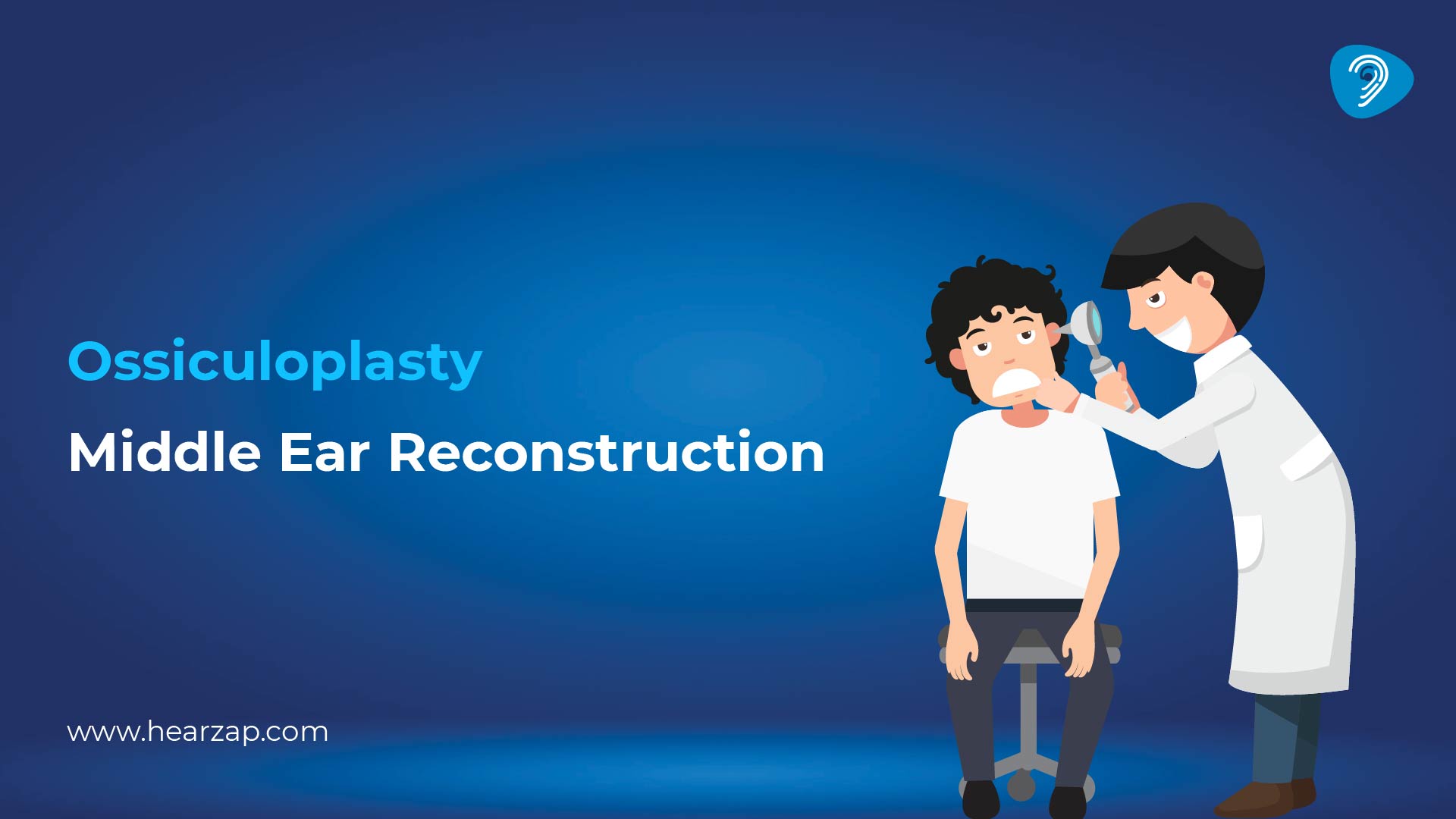
If you have been told that your hearing loss is due to damage in the tiny bones of your middle ear, you have probably already heard the word "ossiculoplasty" thrown around by your doctor. It is not a term most people come across in everyday life, and that can make the whole idea of surgery feel more intimidating than it needs to be. This article breaks the procedure down in plain, medically accurate terms, covering everything from what the surgery actually involves to recovery timelines and cost.
What Does Ossiculoplasty Actually Mean?
In the simplest terms, the ossiculoplasty meaning comes down to one thing: rebuilding the chain of bones inside the middle ear so that sound can travel properly again. That chain is made up of three tiny bones, the malleus, incus, and stapes, often nicknamed the hammer, anvil, and stirrup. Together they pass vibrations from the eardrum to the inner ear. When even one of these bones is damaged, worn away, or missing entirely, the result is usually a noticeable drop in hearing known as conductive hearing loss.
Chronic ear infections, cholesteatoma, trauma to the head, and even congenital problems present from birth can all damage this delicate chain. Ossiculoplasty rebuilds it, using either the patient's own tissue, donor tissue, or a man-made prosthesis, and it is frequently performed alongside other ear procedures such as tympanoplasty or mastoidectomy.
Why Would Someone Need This Surgery?
There are quite a few reasons a surgeon might recommend ossicular reconstruction. The most common include:
- Long-standing or chronic middle ear infections (chronic suppurative otitis media)
- Cholesteatoma, an abnormal skin growth that slowly eats away at bone
- Trauma or fractures involving the temporal bone
- Ossicles that did not form correctly from birth
- A previous ear surgery that failed to fully restore hearing
- Certain advanced cases of otosclerosis
In all of these situations, sound simply cannot get from the eardrum to the cochlea the way it should, and speech often becomes harder to follow, particularly lower-pitched sounds.
How Ossiculoplasty Surgery Is Actually Performed
A lot of patients feel calmer once they understand what happens in the operating room. Broadly speaking, ossiculoplasty surgery follows a fairly predictable sequence, though the specifics depend on what the surgeon finds once inside the ear.
- Anesthesia: Usually general, though local anesthesia with sedation may be used for more limited procedures.
- Access: The surgeon reaches the middle ear either through the ear canal itself or through an incision behind the ear, depending on how extensive the repair needs to be and whether other work is being done at the same time.
- Assessment: A close look at the ossicular chain to see exactly which bones are missing, damaged, or simply not moving the way they should.
- Clearing diseased tissue: Any infected tissue, scar tissue, or cholesteatoma is removed first, since reconstruction cannot be done properly on a field that is still infected or obstructed.
- Reconstruction: The surgeon may reshape and reuse part of the patient's own bone, often a leftover piece of incus, harvest cartilage, or place a prosthetic device to bridge the gap left between the eardrum and the inner ear.
- Closure: The eardrum is repositioned if it had to be lifted, and the incision is closed, usually with dissolvable stitches or some form of packing.
Most cases take somewhere between one and three hours, though complicated reconstructions can run longer.
The Austin Classification: How Surgeons Plan the Repair
Before deciding exactly how to reconstruct the ossicular chain, many surgeons rely on a standardized system to describe what they are working with. This is where the Austin classification ossiculoplasty system comes in, first described by Dr. Derald Austin and later expanded by Dr. Mansfield Smyth.
Rather than treating every case the same, this classification sorts ossicular defects into categories based on which bones remain, which are missing, and whether the remaining bones still move properly:
- Type A: Malleus and stapes intact and mobile
- Type B: Malleus mobile, but stapes superstructure gone
- Type C: Malleus missing, stapes present and mobile
- Type D: Only the stapes footplate remains, with no superstructure and no malleus
This kind of system gives surgeons a shared language and a rough idea of what hearing outcome to expect. As a general rule, cases with an intact, mobile stapes tend to do better than those where only the footplate survives.
Cartilage and Other Reconstruction Materials
When it comes to choosing what to actually rebuild the chain with, cartilage ossiculoplasty has become a favorite among many ear surgeons. The cartilage is typically taken from the patient's own tragus, that small flap of tissue just in front of the ear canal, or from the concha, and then carved down to size before being used as a connecting strut or reinforcement.
There are a few practical reasons cartilage tends to be popular:
- It comes from the patient's own body, so rejection is essentially a non-issue
- It is less prone to working its way out (extrusion) compared with some synthetic options
- It still holds its shape well enough to transmit sound effectively
- Harvesting it is relatively quick and leaves little additional scarring
Surgeons also have other materials at their disposal:
- Autologous bone, typically a reshaped piece of incus or cortical bone
- Homograft (cadaveric) ossicles, used less often today due to availability and regulatory hurdles
- Synthetic prostheses, such as partial ossicular replacement prostheses (PORP) and total ossicular replacement prostheses (TORP), commonly made from titanium or hydroxyapatite
Which option gets used really comes down to what the surgeon finds during the procedure, combined with their own training and preference.
What to Expect During Ossiculoplasty Recovery Time
This is usually one of the first questions patients ask, and understandably so. Ossiculoplasty recovery time differs from person to person, but most patients follow a similar general pattern:
- First 1 to 2 weeks: Mild pain, pressure, or a feeling of fullness in the ear is normal. Patients are usually told to keep water out of the ear and avoid blowing their nose too forcefully.
- 2 to 4 weeks: Any ear packing is typically removed at a follow up appointment, though hearing may still feel muffled while the ear continues healing internally.
- 4 to 6 weeks: Most people are back to their normal daily routine, with the exception of swimming and, in some cases, air travel.
- 2 to 3 months: Hearing tends to start settling down, which is usually when a follow up audiogram is scheduled to check the surgery's success.
- Up to 6 months: Full healing, along with the final hearing result, is often not fully apparent until this point.
It is worth being patient here. Swelling and fluid buildup inside the ear can temporarily hide the benefits of the reconstruction even when the surgery itself went well, so an underwhelming result at the two-week mark does not necessarily mean anything went wrong.
Risks Worth Knowing About
No surgery is entirely without risk, and ossiculoplasty is no exception, even though serious complications are uncommon. Patients should be aware of:
- Infection
- The prosthesis shifting or working its way out over time
- Hearing loss that does not fully resolve, or returns later
- Tinnitus (ringing in the ear)
- Brief episodes of dizziness
- Temporary changes in taste due to a nearby nerve
- Occasional recurrence of eardrum perforation
Picking a surgeon who has done this procedure many times before is one of the simplest ways to lower these risks.
A Word on Ossiculoplasty Cost
Money is rarely anyone's favorite topic, but it is a fair and important question. Ossiculoplasty cost can swing quite a bit depending on a number of factors:
- The country and specific hospital or clinic where the surgery is performed
- Whether it is bundled together with other procedures like tympanoplasty or mastoidectomy
- The material chosen, since cartilage and bone taken from the patient's own body are generally cheaper than synthetic prostheses
- Surgeon experience and reputation
- Length of hospital stay and anesthesia fees
- Insurance coverage, where applicable
Depending on the country and circumstances, total costs can range from a few hundred dollars to several thousand. The most reliable way to get an accurate figure is to speak directly with the surgeon's office or hospital billing department, and to check with your insurance provider about whether the procedure is considered medically necessary, since that classification often determines coverage.
Final Thoughts
Ossiculoplasty has genuinely transformed how conductive hearing loss is treated, giving people a real path back to hearing the world properly again. Whether the conversation involves the Austin classification, the choice between cartilage and synthetic prostheses, or simply how long recovery is likely to take, having a clear picture of what lies ahead tends to make the entire experience feel far less overwhelming.
If surgery is on the table for you or someone close to you, the next sensible step is a detailed conversation with an experienced ENT surgeon, someone who can look at your specific situation and walk you through realistic expectations for both hearing outcomes and cost. Hearing connects us to the people and the world around us, and for many patients, the right reconstruction makes a genuine, lasting difference.
FAQ’s
Q: What is an ossiculoplasty procedure?
A: Ossiculoplasty is a surgery to repair or replace the tiny middle ear bones to improve hearing.
Q: What is Ossiculoplasty also known as?
A: Ossiculoplasty is also known as middle ear bone reconstruction surgery.
Q: What is the recovery time for Ossiculoplasty?
A: Most people recover within 2–6 weeks, with hearing improving gradually.
Q: Is ossiculoplasty painful?
A: Mild discomfort is common after surgery, but pain is usually minimal and manageable.

Dattatreya M
Audiology Innovation Manager
Helping You Hear Life Again. At Hearzap, we believe hearing is the key to staying connected with family, friends, and the world around us. With over 48 years of trusted care & my 15 years in audiology, I’ve seen how improved hearing brings back confidence
Related Blogs

Electrocochleography
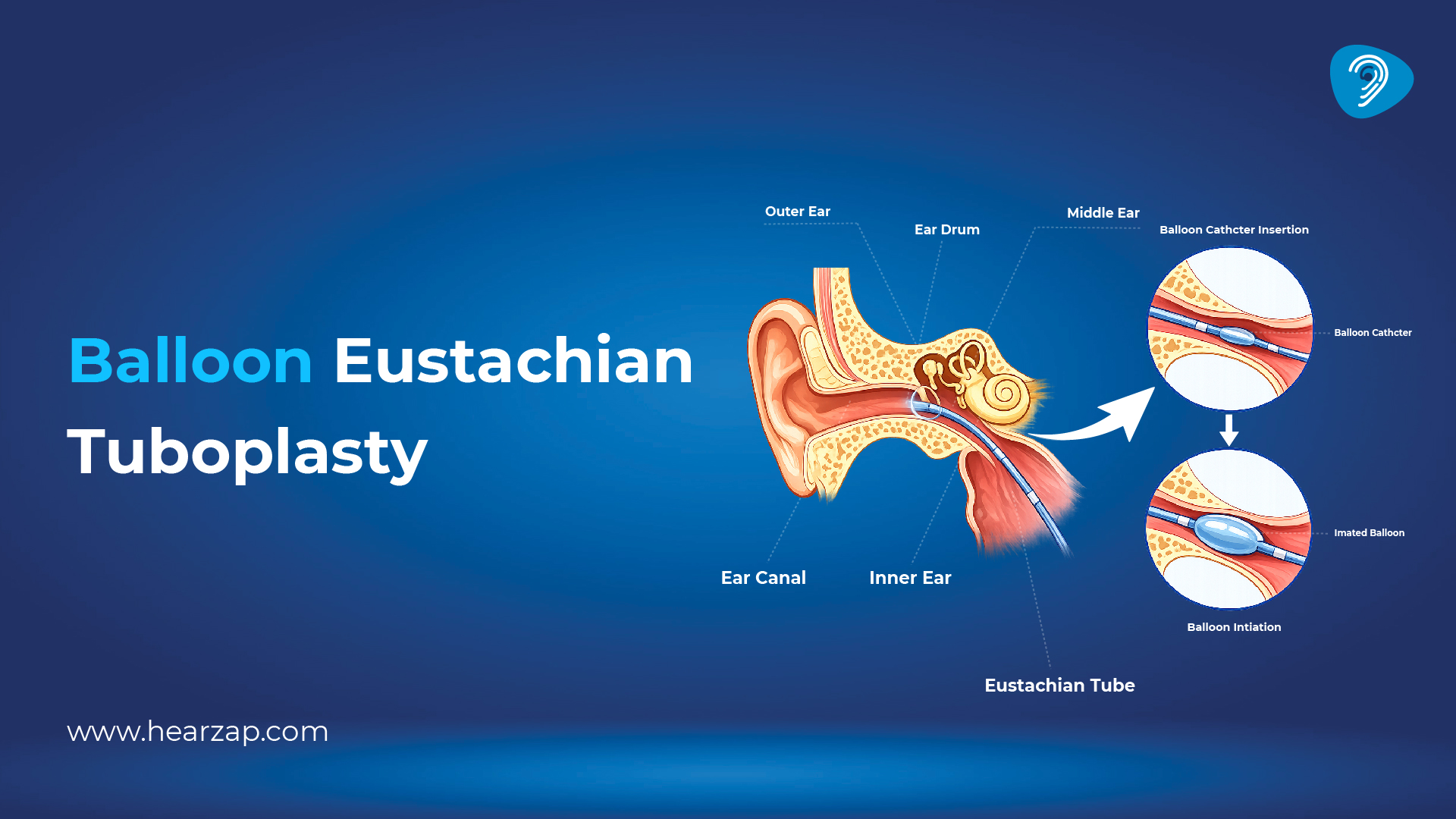
Balloon Eustachian Tuboplasty

White Noise Therapy for Tinnitus: Does It Really Work?
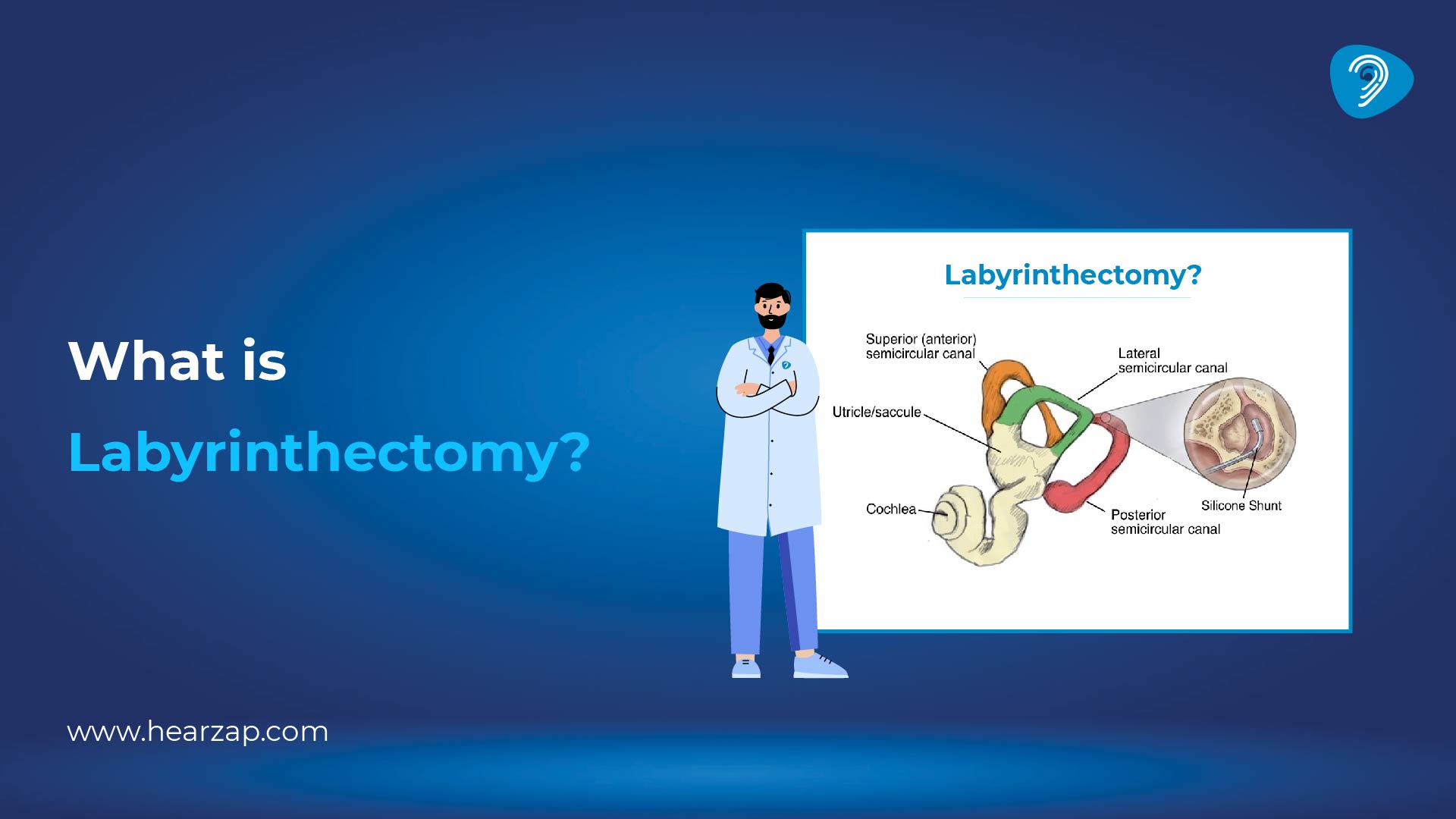
What Is Labyrinthectomy? When Is This Ear Surgery Recommended?

What Is Selective Hearing? Myth or Medical Condition?
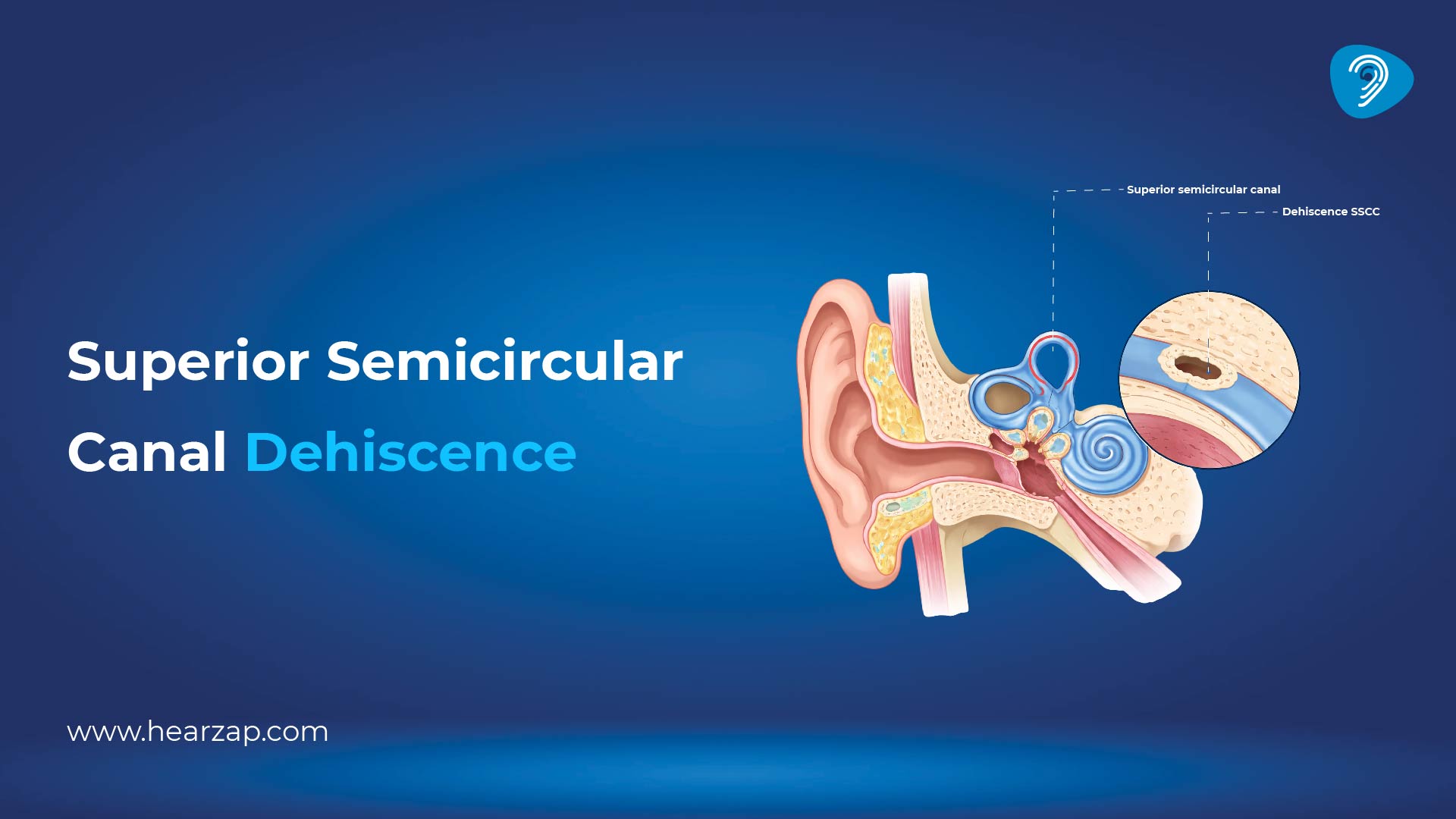
Superior Semicircular Canal Dehiscence:
Contact us
We are here for all your hearing needs, from hearing tests to hearing aids. Fill out the form below, and we will give you a call soon.
Recent Blogs
By None | Oct. 3, 2026
By None | Oct. 1, 2026
By None | Sept. 30, 2026
By None | Sept. 29, 2026
By None | Sept. 28, 2026