Generic
Different Types of Ear Shapes
By Team Hearzap | July 2, 2026
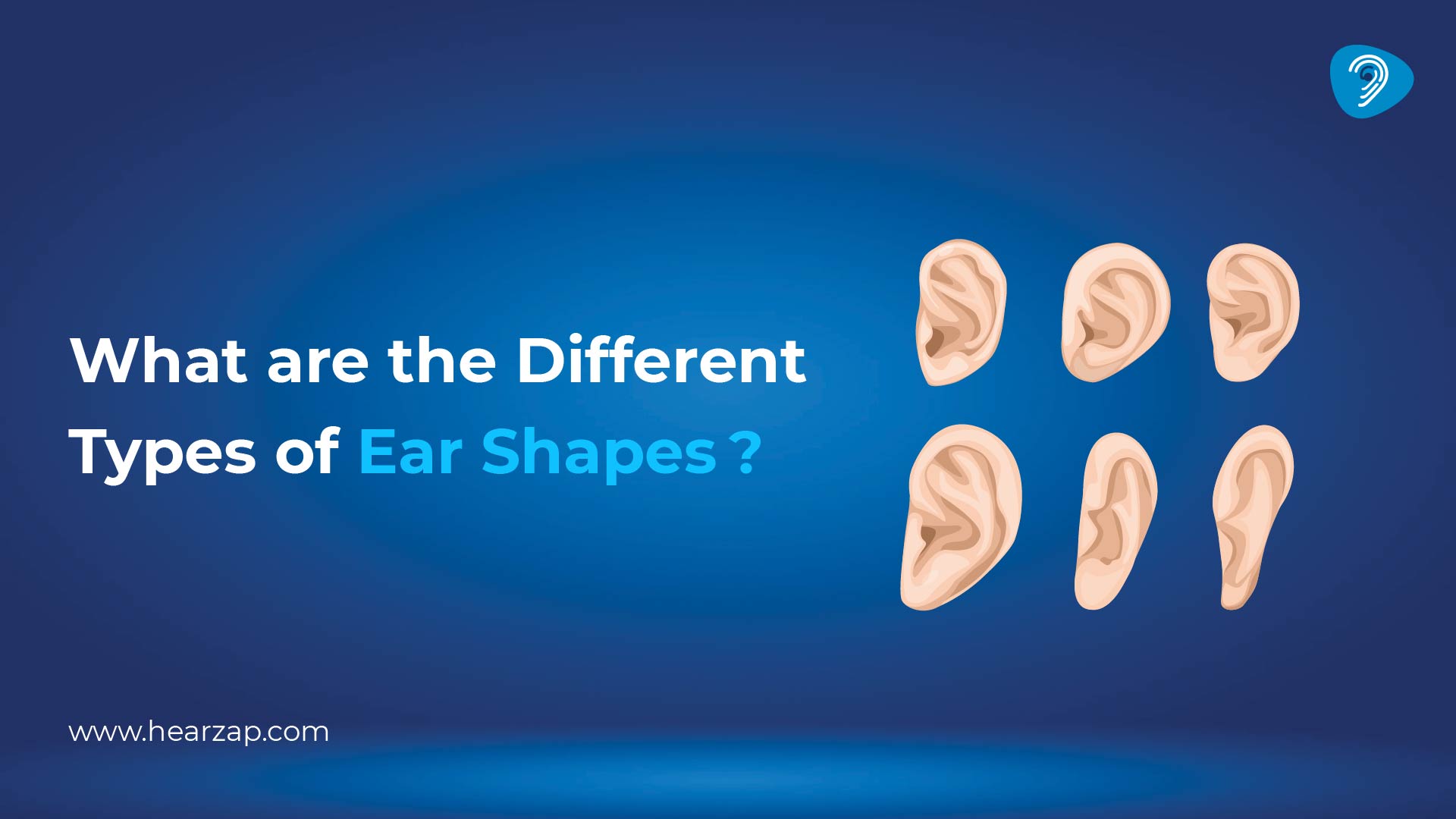
Every person has a different ear shape. Some ears sit close to the head, while some stand out. These differences are natural.
Ear shape types can affect appearance, but they rarely affect hearing. Hearing depends more on the ear canal, eardrum, middle ear, and inner ear. Still, if an unusual ear shape comes with hearing difficulty, pain, infections, or speech delay in a child, see a specialist.
What Are Ear Shape Types?
Ear shape types refer to the visible size, fold, lobe, angle, and structure of the outer ear. The outer ear collects sound and sends it into the ear canal.
Genetics is the main reason ears look different. A child may get ear features from parents or grandparents. Cartilage growth before birth also affects the final shape. To understand the ear better, read ear anatomy.
Different Types of Ear Shapes in Humans
There are many different types of ear shapes in humans. Most are common and harmless.
Normal Ears
Normal ears have a balanced size and shape. The outer rim, inner folds, and earlobe are formed well. Small differences are normal.
Attached Ears
Attached ears usually mean attached earlobes. The lower part of the lobe joins directly with the face. It does not cause hearing loss.
Protruding Ears
Protruding ears stand out more from the head. This shape is common. It mainly affects appearance, not hearing.
Elf Ears
Elf ears have a slightly pointed upper edge. Some people are born with this type of ear shape, and hearing is normal.
Folded Ears
Folded ears have a bend or fold in the outer ear. The fold may be mild or clear, but sound enters normally.
Big Ears
Big ears are larger than average. They may run in families or develop naturally. Bigger ears do not mean stronger hearing.
Small Ears
Small ears are common. When the ear canal is formed well, small ears usually do not create hearing problems.
Hard & Soft Ears
Some ears feel firm because of stronger cartilage, while others feel soft. Pain, swelling, redness, or sudden hardness should be checked.
Do Different Ear Shapes Affect Hearing Ability?
Most ear shape types do not affect hearing ability. The outer ear collects sound, but clear hearing depends more on the inner parts of the ear. Attached earlobes, big ears, small ears, folded ears, or protruding ears do not cause hearing issues.
Hearing can be affected when the ear canal is blocked, narrow, missing, or not formed properly.
If sounds seem unclear, people appear to mumble, or a child does not respond to sound, a hearing test can help. You can also read about the types of hearing loss to know the common reasons.
Common Ear Shape Abnormalities
Some ear differences are present from birth. A few may need advice, especially if they are linked with hearing difficulty.
Microtia
Microtia is when the outer ear is very small or not fully developed. It may affect one or both ears. Sometimes, the ear canal may be narrow or absent, which can lead to hearing loss.
Lop Ear
A lop ear has the upper part folded downward. Mild cases may only change appearance. Severe cases may need guidance from an ENT doctor or audiologist.
Constricted Ear
A constricted ear looks tight, folded, or smaller in the upper part. The outer rim may not be fully formed. A specialist can suggest the next step.
When Should You Consult a Hearing Specialist?
You should consult a hearing specialist if ear shape concerns come with poor response to sound, delayed speech, ear infections, ear pain, discharge, ringing, or a blocked feeling.
Adults should seek help if they keep asking people to repeat, miss words in conversations, or raise the TV volume often. These signs may point to hearing difficulty. Hearzap offers hearing assessments and support from trained audiologists.
Hearzap's Expert Hearing Care Services
Hearzap provides hearing tests, hearing aid consultations, audiologist support, and hearing care solutions across India. The team helps you understand your hearing level and choose care for your needs.
If hearing aids are suggested, explore the types of hearing aids or buy hearing aids online. For guidance, book an appointment with Hearzap.
FAQs
What is the rarest ear shape?
Anotia, which is the complete absence of external ears, is one of the rarest types of abnormal or deformed ears.
Why are my ears C-shaped?
Prominent ears are distinguished by their size and are typically due to an underdeveloped antihelix, the inner ridge of the ear that creates a “c” shape. When the antihelix does not form correctly, it causes the helix, the outer rim of the ear, to protrude more than normal.
Are differently shaped ears normal?
Although most ear deformities are purely aesthetic, they can lead to hearing impairment and associated developmental delay. Some ear deformities are congenital. This means you are born with the condition. Other ear deformities are acquired.
Does ear shape matter?
Yes, the outer part of your ear, also known as the pinna, is designed to collect sound and locate where it is in space. For a more effective illusion, try focusing on a steady beat as you move your head or flex your ears. What you perceive as change, the brain uses to create location
Do ear shape types affect hearing?
No, most ear shape types affect appearance only. Hearing problems are linked more to the ear canal, eardrum, inner ear, or hearing nerve.
What determines the shape of human ears?
Genetics, cartilage growth, and development before birth decide the shape of human ears.
What are attached and free earlobes?
Attached earlobes join directly to the face. Free earlobes hang slightly below the joining point. Both are normal.
Can ear shape abnormalities cause hearing problems?
Some can. Microtia or a very narrow ear canal may affect how sound reaches the inner ear.
When should I consult an audiologist about ear shape concerns?
Consult an audiologist if ear shape concerns come with hearing difficulty, speech delay, ringing, infections, pain, or sudden hearing changes.
Also Read Other Articles
Related Blogs
How to Get Rid of an Earache: Causes, Relief & Treatment

Telemedicine: The Future of Healthcare Delivery
Can Migraines Lead to Hearing Loss? Here's What You Should Know
White Noise Therapy for Tinnitus: Does It Really Work?

Mastoidectomy: Procedure and Recovery

Lump Behind The Ear: Causes, Symptoms, and Treatment

Improving Speech Clarity with Hearing Aids: What You Need to Know
Contact us
We are here for all your hearing needs, from hearing tests to hearing aids. Fill out the form below, and we will give you a call soon.
Recent Blogs
By None | Oct. 3, 2026
By None | Oct. 1, 2026
By None | Sept. 30, 2026
By None | Sept. 29, 2026
By None | Sept. 28, 2026