HEARING AIDS
Hearing Amplifiers vs Hearing Aids: What’s the Difference?
By Team Hearzap | June 20, 2026
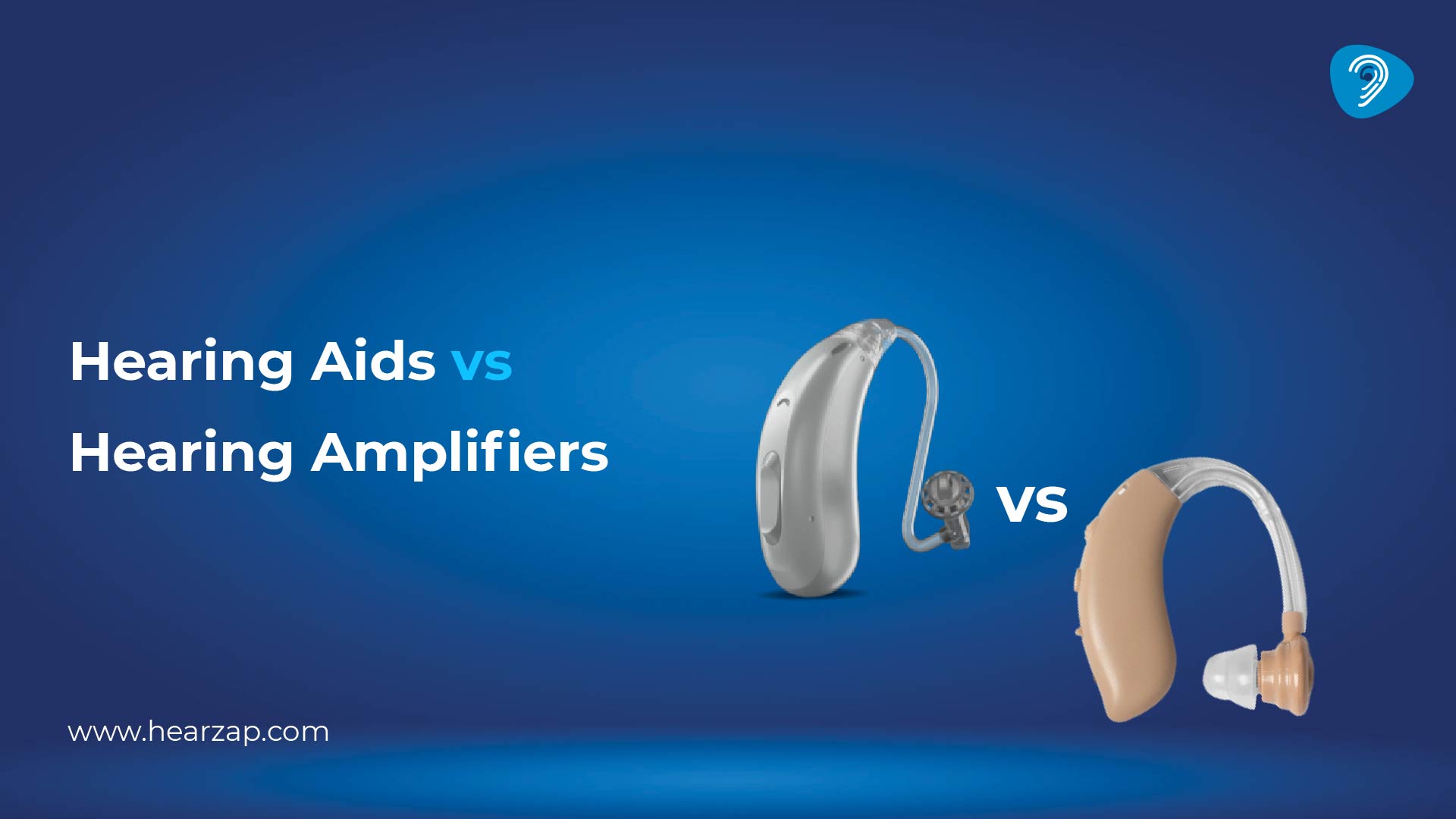
Choosing between hearing amplifiers and hearing aids can feel confusing because both devices make sounds easier to hear. The real difference is purpose. Hearing aids are designed for people with hearing loss, while hearing amplifiers increase surrounding sounds equally. This makes professional guidance important, especially when conversation clarity, TV volume, or daily communication starts becoming difficult.
This blog explains the key differences, risks, benefits, and the right choice for hearing needs.
What Are Hearing Aids?
Hearing aids are regulated medical devices made for people with hearing loss. They are selected after a hearing test and programmed according to your hearing level. Modern devices use digital sound processing, speech enhancement, and noise reduction to improve listening comfort in daily life.
What Are Hearing Amplifiers?
Hearing amplifiers, also called PSAPs (Personal Sound Amplification Products), increase overall sound volume for activities like bird watching, distant listening, and hearing faint sounds. They are not meant to treat hearing loss because they make every sound louder equally.
Difference between Hearing Aid and Hearing Amplifier
Here you will explore the difference between a hearing aid and a hearing amplifier:
Purpose
Hearing aids, including invisible hearing aids, manage hearing loss by improving speech understanding and listening comfort. Amplifiers simply make sounds louder.
Sound Processing
Hearing aids process speech and reduce unwanted noise. Hearing amplifiers increase all sounds equally, which may feel uncomfortable in noisy places.
Customisation
Hearing aids are programmed after a hearing evaluation. Before you buy hearing aids online, it is important to understand your hearing level. Amplifiers are not personalised to your hearing condition.
Technology Features
Modern hearing aids may include noise reduction, Bluetooth connectivity, directional microphones, AI-based sound processing, and personalised listening settings.
Medical Approval
Hearing aids are regulated medical devices. Amplifiers are generally consumer sound products, not medical hearing solutions, unlike noise-reduction hearing aids for senior citizens, which are designed to support hearing loss management.
Hearing Amplifiers vs Hearing Aids – Comparison Table
Here’s a simple breakdown to help you compare both options:
Who Should Use Hearing Amplifiers?
Hearing amplifiers may suit people without diagnosed hearing loss who need temporary listening support. They can be useful for specific activities where distant sounds need to be heard more clearly. They may not be suitable for long-term hearing loss because they do not address individual hearing needs.
Who Should Use Hearing Aids?
Hearing aids are suitable for people with mild to severe hearing loss. You may need them if you often struggle to follow conversations, frequently increase TV volume, miss words in group discussions, or avoid social situations because hearing feels difficult. Those looking for convenient daily use can also explore the best rechargeable hearing aids for easier handling and long-term comfort.
Risks of Using Hearing Amplifiers for Hearing Loss
Using hearing amplifiers for hearing loss may feel helpful at first, but they can make listening harder in daily situations.
- They may raise background noise and disturb speech clarity.
- Loud sounds can feel sharp, tiring, or uncomfortable.
- Because they are not customised, wrong amplification may increase hearing discomfort over time.
- A hearing test is safer before regular use.
Benefits of Modern Hearing Aids
Modern hearing aids are now smaller, smarter, and easier to wear throughout the day. When comparing digital vs traditional hearing aids, digital devices offer clearer conversations, better background noise control, smartphone connectivity, and smoother daily use.
- Personalised sound settings for different places
- Comfortable designs for regular wear
- Better speech understanding in social situations
- More natural listening with less effort
- Discreet look that suits everyday life and work
Why Choose Hearzap for Hearing Solutions?
Hearzap gives you guided hearing care, not just a device. From testing to fitting, the team provides expert advice and suitable hearing solutions.
- Expert audiologists for clear guidance
- Advanced hearing tests for accurate assessment
- Latest digital hearing aids
- Personalised fitting for comfort
- Reliable after-sales support and follow-up care
- Option to book an appointment before choosing a device
Frequently Asked Questions
1. What is the difference between a hearing aid and a hearing amplifier?
A hearing aid is designed for hearing loss. A hearing amplifier only makes sounds louder.
2. Can hearing amplifiers damage hearing?
They may cause discomfort if sounds become too loud. People with hearing loss should avoid using them without expert advice.
3. Are hearing amplifiers the same as hearing aids?
No, hearing aids are medical hearing solutions, while amplifiers are sound amplification products.
4. Who should use hearing aids?
People who face regular hearing difficulty, speech clarity issues, or social listening problems should consider hearing aids after a hearing test.
5. Do hearing aids reduce background noise?
Many modern hearing aids include noise-reduction features that make conversations easier in busy environments.
6. Which is better for hearing loss: A hearing aid or an amplifier?
For hearing loss, a hearing aid is the better choice because it is tested, fitted, and programmed for your hearing needs.
Related Blogs
Cochlear Implant: Meaning, Surgery, Benefits & Recovery

Are Rechargeable Hearing Aids Good for Seniors?
Open-Fit vs Traditional Hearing Aids: Which One Should You Choose?
RIC vs BTE Hearing Aids – Which Is Right for You
Reasons to Choose Philips Hearing Aids
Tips for Buying a Hearing Aid
Rechargeable vs. Disposable Hearing Aid Batteries
Benefits of Noise Cancelling Hearing Aids
5 Best Reasons to Upgrade Your Hearing Aids
Contact us
We are here for all your hearing needs, from hearing tests to hearing aids. Fill out the form below, and we will give you a call soon.
Recent Blogs
By None | Aug. 7, 2026
By None | Aug. 6, 2026
By None | Aug. 5, 2026
By None | Aug. 4, 2026
By None | Aug. 3, 2026