HEARING CARE
Middle Ear Implants: How They Work And Who Can Benefit
By Sharanya Krishnan - Audiologist | July 21, 2026
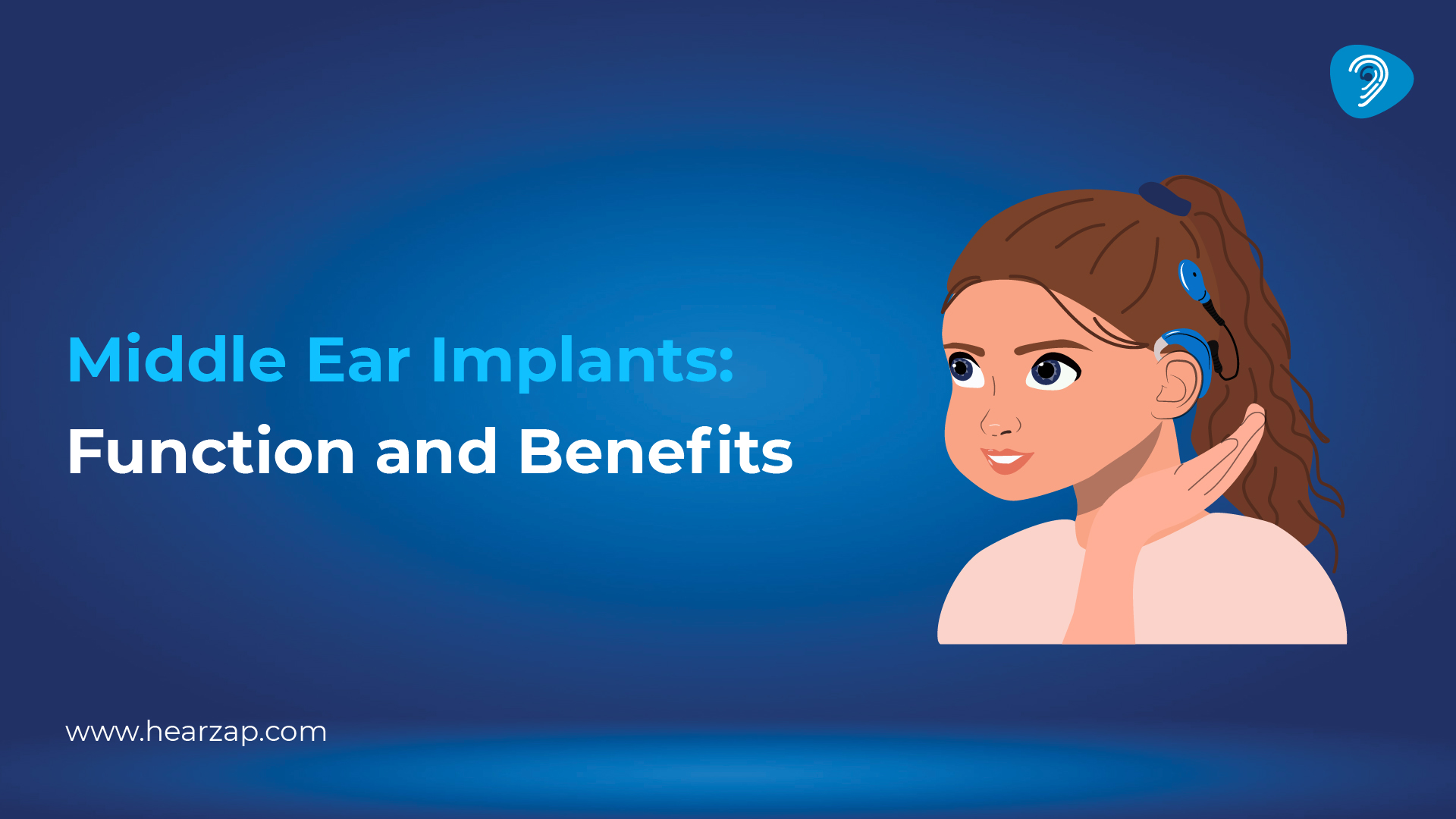
Many people manage hearing difficulty well with regular hearing aids. Still, some do not get enough clarity, comfort or daily ease from them. Middle ear implants can be an advanced hearing solution for selected people who need a different way to receive sound. These devices create controlled vibrations in the middle ear and help sound reach the inner ear.
Hearzap supports people with hearing tests, audiologist guidance and hearing care solutions, so the next step feels clear and practical. For Indian families, this guidance also helps avoid confusion between regular hearing aids, implants and medical treatment options.
What Are Middle Ear Implants?
Middle ear implants are implantable devices placed partly inside the ear through a medical procedure. They work by sending vibrations to the small structures of the middle ear. These vibrations move towards the inner ear, where signals reach the brain.
They not only make sound louder through the ear canal. They help sound travel through mechanical movement. This can help people who face ear mould discomfort or limited benefit from standard devices. A proper hearing history and hearing test are important before exploring this option.
How Do Middle Ear Implants Work?
Middle ear implants pick up sound, process it and change it into gentle vibrations. This supports hearing when normal amplification is not enough.
Components Of A Middle Ear Implant
A middle ear implant usually has an external sound processor and an internal implanted part. The processor sits outside the ear, collects sound and changes it into signals.
The implanted part receives these signals and turns them into small vibrations. It connects with the tiny hearing bones or another suitable middle ear structure, based on medical advice.
Sound Transmission Process
Sound first reaches the external processor. After processing, the signal goes to the internal part. This part creates movement in the middle ear.
The movement travels towards the inner ear. From there, the hearing nerve carries signals to the brain, where they are understood as speech and daily sounds.
How They Improve Hearing
Middle ear implants may improve hearing by giving sound a different route. Some users may notice clearer sound, less blocked feeling and fewer feedback issues. This can make daily listening more comfortable for selected people who do not get enough support from regular devices.
What Are Hearing Aid Implants?
Hearing aid implants are a broad term for devices that include an implanted part. Middle ear implants are one type. Cochlear implants and bone conduction implants are other types.
The right option depends on hearing difficulty, ear health, speech understanding and medical fitness. People comparing regular devices with implants can first read about the types of hearing aids to understand the basic choices.
Difference Between Hearing Aids And Implants
Regular hearing aids are worn outside the body. They collect sound, process it and send amplified sound into the ear canal.
Implants have one part placed inside the body. They are discussed when hearing aids do not give enough benefit or cannot be worn comfortably. Implants need medical evaluation, surgery and follow-up.
Types Of Implantable Hearing Devices
Common implantable devices include middle ear implants, cochlear implants and bone conduction implants.
Each uses a different sound pathway. Some people may still do well with digital hearing aids. Before deciding, it helps to understand digital hearing aid features and speak to a hearing care expert.
Who Can Benefit From Middle Ear Implants?
Middle ear implants may help selected people who do not get enough results from regular hearing aids or cannot use them comfortably.
Moderate To Severe Hearing Loss
People with moderate to severe hearing loss may be considered if regular hearing aids do not provide clear speech understanding. Some hear sounds but still miss words in group conversations, office meetings or noisy streets.
In such cases, an implant may be discussed as part of a wider hearing care plan. Hearing levels and daily listening needs are checked first.
Individuals Unable To Wear Traditional Hearing Aids
Some people cannot wear traditional hearing aids for long hours. Ear canal irritation, sweating, discomfort or repeated blockage can make daily use difficult.
Middle ear implants may help because the ear canal does not always need to be blocked in the same way. This may improve comfort for suitable users during daily wear.
People With Chronic Ear Conditions
People with repeated ear discharge, ear canal problems or long-standing ear conditions may find regular hearing aids difficult to use.
For such users, implantable options may be explored after an ENT evaluation. Active infection or untreated ear disease must be managed before any implant decision.
Benefits Of Middle Ear Implants
The benefits of middle ear implants can vary. The main goal is usable hearing in daily life.
Improved Sound Quality
Since the implant sends vibrations to the middle ear, sound may feel clearer for selected users. This can help with speech, doorbells, television and soft sounds at home during everyday routines.
Better Speech Understanding
Speech understanding is more important than simply hearing noise. Middle ear implants may support better speech clarity when regular hearing aids are not enough, including during family talks and workplace discussions.
Enhanced Comfort
Comfort matters because a hearing device is useful only when it is worn regularly.
Middle ear implants can reduce the need for a tightly fitted ear mould in some cases. This may help users who struggle with physical discomfort.
Reduced Feedback Issues
Feedback is the whistling sound that can happen when amplified sound leaks and gets picked up again by the hearing aid microphone.
Middle ear implants may reduce this because sound is delivered through mechanical vibrations.
Are There Any Risks Or Limitations?
Middle ear implants involve surgery, so they need careful thought. Possible risks can include infection, dizziness, change in hearing results, device concerns or the need for further care.
They are not suitable for all types of hearing difficulty. Some people may do better with regular hearing aids. Others may need a different implant. Cost, surgery, follow-up visits, device care and family support should be discussed clearly.
A hearing care expert and an ENT specialist can explain whether this option is practical and safe. Online reading should only be the starting point, not the final decision.
How Are Middle Ear Implants Evaluated And Fitted?
The evaluation process checks hearing ability, ear health and daily listening needs.
Hearing Assessment
The first step is a detailed hearing assessment. It checks the level and pattern of hearing loss. Speech understanding may also be tested.
These results help decide whether the person should try hearing aids, upgrade to another model or explore implantable options.
Medical Evaluation
A medical evaluation checks whether the ear is healthy enough for an implant. The ENT specialist may review the ear canal, eardrum, middle ear space and medical history. Scans may be advised in some cases. This step helps improve decision-making.
Post-Implant Follow-Up Care
Follow-up care is important after implantation. The external processor may need programming and fine-tuning. The user may also need time to adjust. Regular visits help improve comfort, sound clarity and daily use.
Hearzap's Hearing Care Solutions
Hearzap supports people at different stages of their hearing journey. Some come in for a simple check. Some already use hearing aids and want better clarity. Others want guidance about middle ear implants or other hearing aid implants.
Hearzap offers hearing tests, audiologist consultations, hearing aid solutions and guidance for people exploring advanced options. The idea is not to rush into a device, but to understand what will work comfortably in daily life, at home, at work and in social settings.
Many users may not need implants at all. With the right fitting, modern hearing aids can work well for daily life.
You can buy hearing aids online or speak to an expert before choosing. Reading tips for choosing the right hearing aid can help. For a clearer next step, book an appointment with Hearzap and get guidance based on your hearing needs.
FAQs
What Are Middle Ear Implants?
Middle ear implants are devices that help hearing by sending vibrations to the middle ear through an implanted part and an external processor.
Who Is A Good Candidate For Middle Ear Implants?
A good candidate is usually someone who does not benefit enough from regular hearing aids or cannot wear them comfortably.
How Do Middle Ear Implants Differ From Hearing Aids?
Hearing aids amplify sound through the ear canal. Middle ear implants send vibrations directly to the middle ear.
Are Middle Ear Implants Permanent?
The implanted part is designed for long-term use, while the external processor may need care, changes or upgrades.
What Are The Benefits Of Hearing Aid Implants?
Hearing aid implants may improve sound clarity, speech understanding and comfort for selected users. They may also reduce feedback problems.
Are Middle Ear Implants Safe?
They can be safe for suitable candidates after proper evaluation. Like any surgery, they have risks that should be discussed.

Sharanya Krishnan - Audiologist
Senior Manager – Training, Customer Experience & Business Development
With over 20 years of experience in hearing and speech healthcare. Passionate about client-centred care, I believe in a culture of empathy, trust, personalized support & focus on ensuring that every individual enjoys a seamless and fulfilling hearing care
Related Blogs
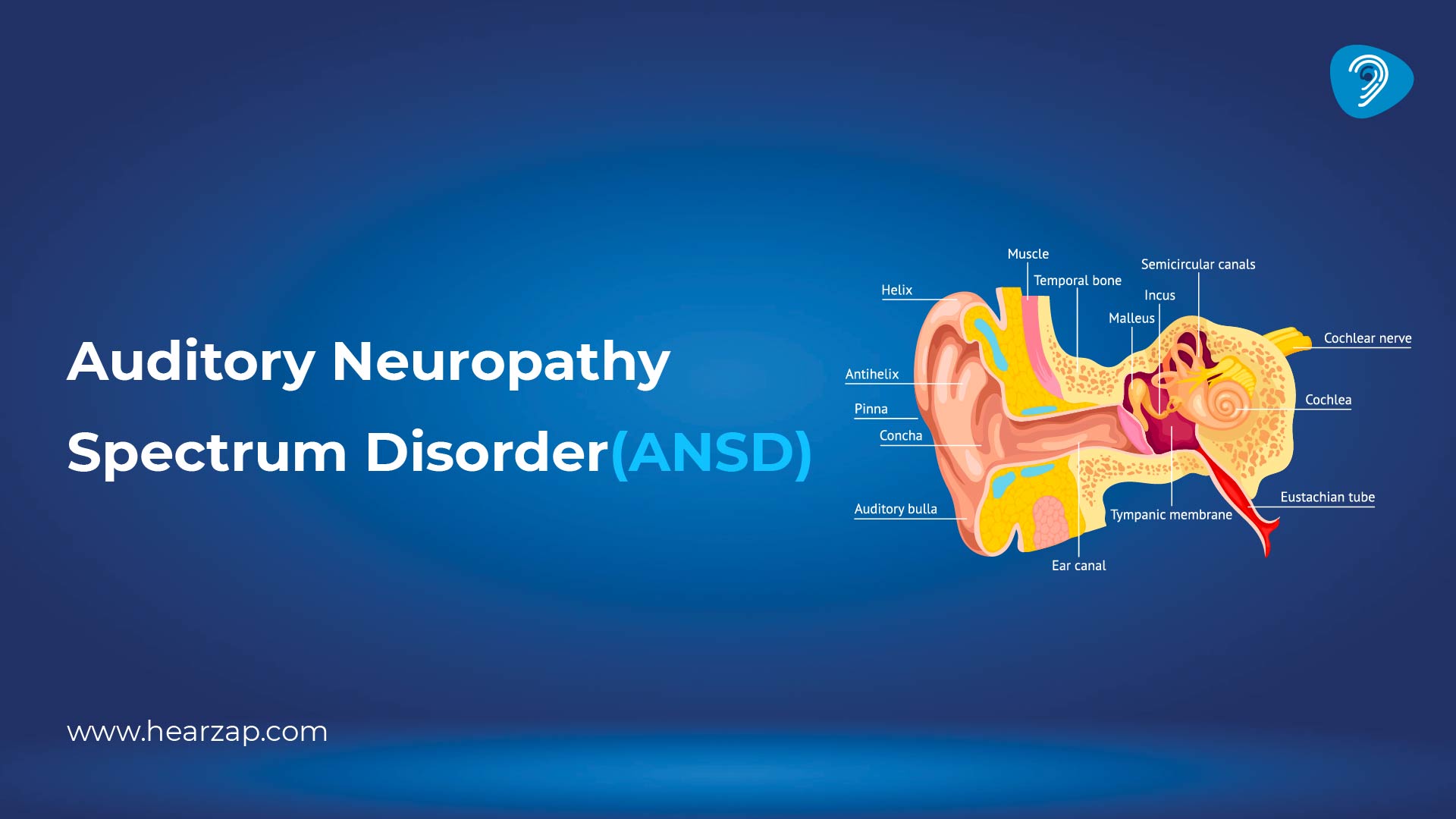
Auditory Neuropathy Spectrum Disorder
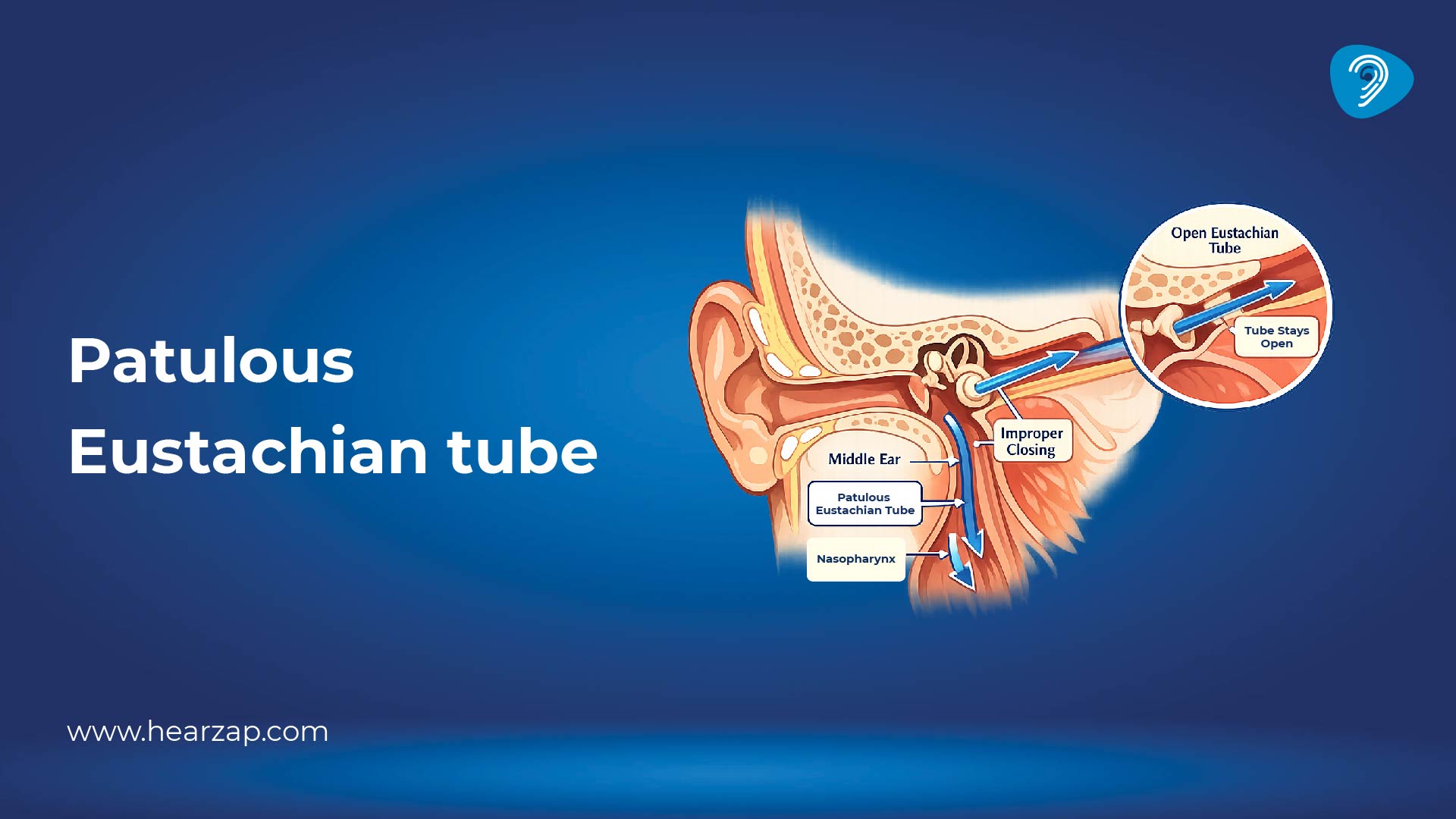
Patulous Eustachian Tube

Ear Bleeding: Causes, Treatment & What to do Immediately
Contact us
We are here for all your hearing needs, from hearing tests to hearing aids. Fill out the form below, and we will give you a call soon.
Recent Blogs
By None | July 20, 2026
By None | July 18, 2026
By None | July 17, 2026
By None | July 16, 2026
By None | July 15, 2026